
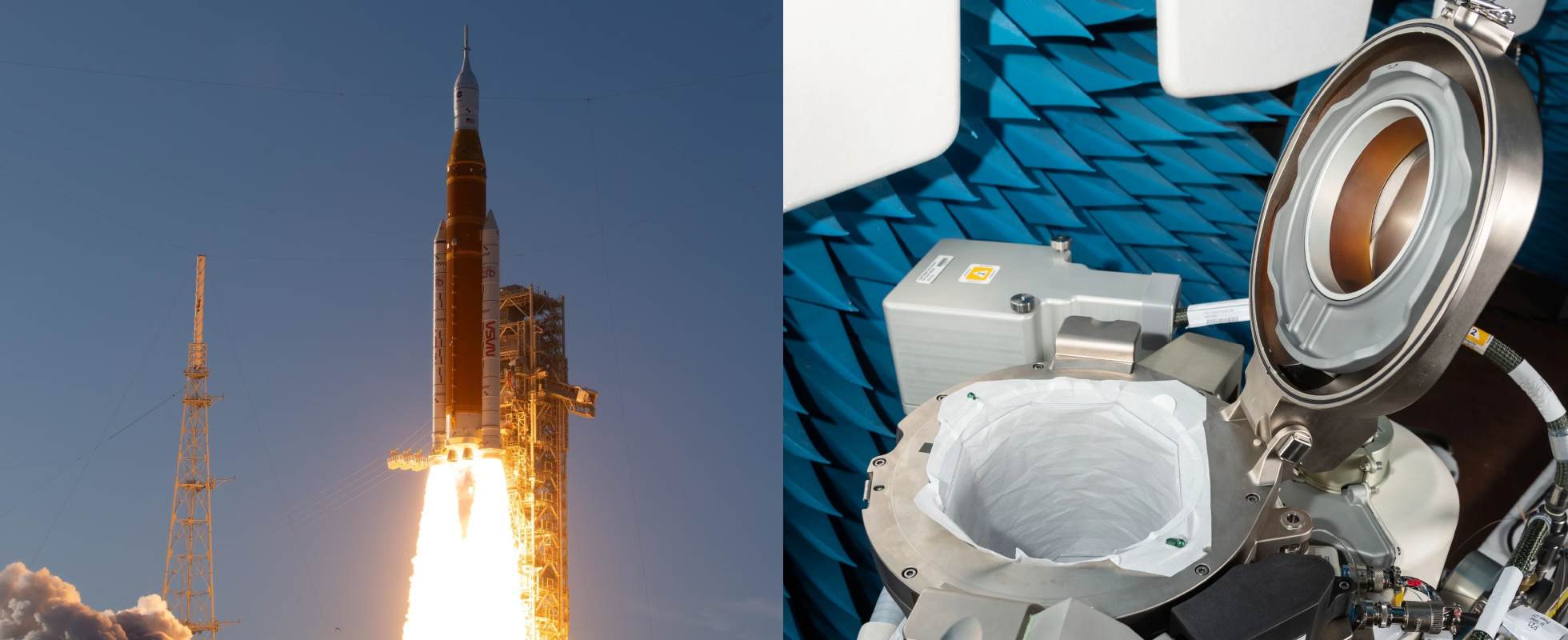
For more than half a century, human spaceflight has accomplished breathtaking feats of engineering: putting people on the moon, building a permanent orbital outpost, and pushing the boundaries of what the human body can endure in the cosmos.
And yet, one fundamental challenge remained stubbornly, embarrassingly unsolved. Going to the bathroom in space was, for generations of astronauts, a truly miserable experience. That is about to change.
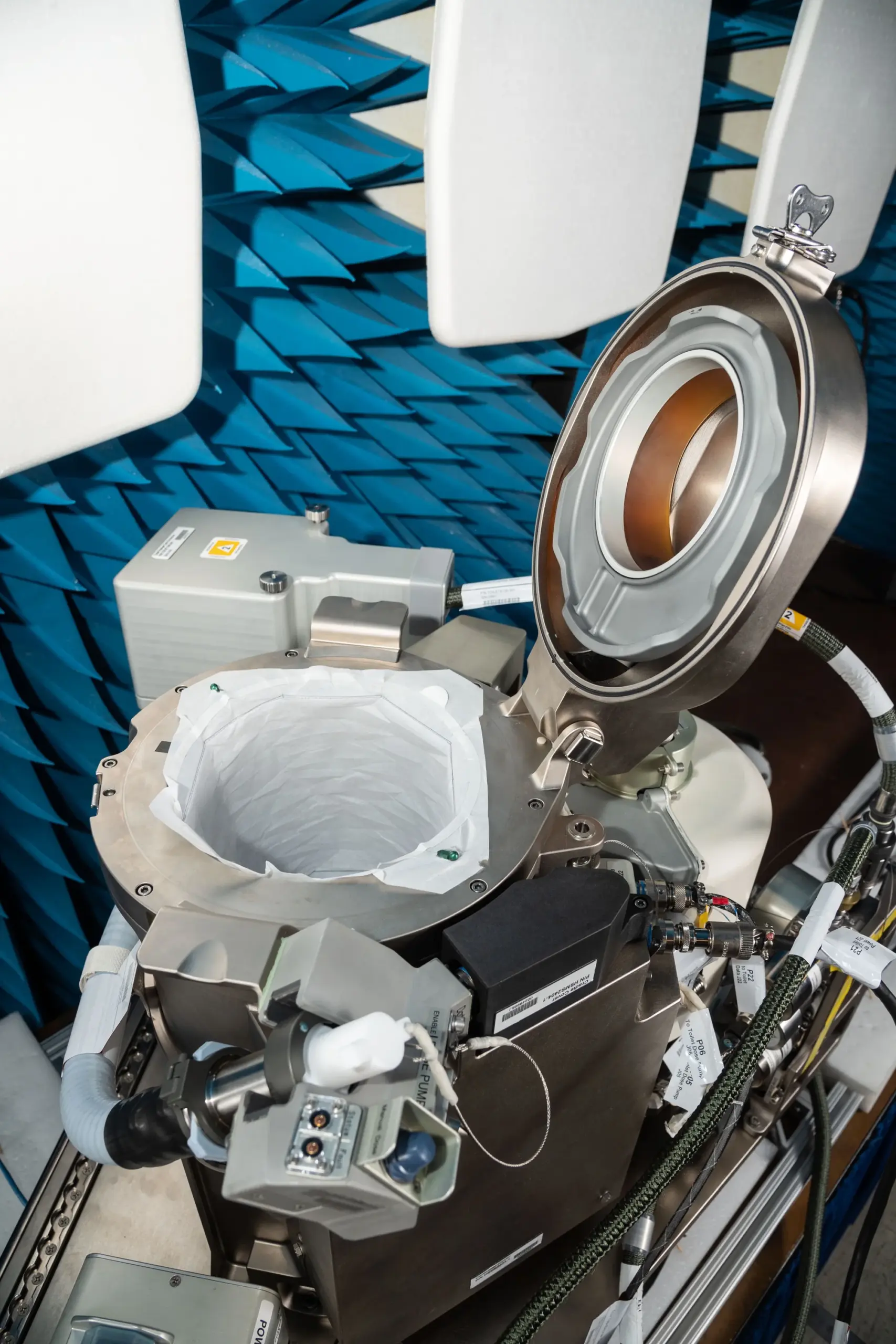
According to sources, the four astronauts aboard NASA’s Artemis II mission are heading toward the moon with something their Apollo-era predecessors could only dream about: a proper toilet. The Universal Waste Management System, or UWMS, represents more than a decade of research, engineering, and hard-won lessons.
When the Apollo crews made their historic journeys to the moon in the late 1960s and early 1970s, waste management consisted of adhesive-rimmed plastic bags and tubes that astronauts had to strap to themselves in weightless conditions. After using them, crews were required to manually mix in a germicide packet to contain bacteria and gases inside the sealed bag. The system was prone to catastrophic failure.
During Apollo 10, crew members spotted solid waste floating freely through the cabin. During Apollo 8, blobs of vomit and feces broke loose and drifted through the air, requiring the crew to chase them down.
A NASA report released after the Apollo program concluded gave waste disposal what it diplomatically called “poor marks” in crew satisfaction. Astronaut Ken Mattingly talked about it during the Apollo 16 mission: “I used to want to be the first man to Mars. This has convinced me that, if we got to go on Apollo, I ain’t interested.”
The space shuttle era brought improvements, including a vacuum-based toilet system that worked with low gravity and offered a curtain for a semblance of privacy. The International Space Station’s version improved further, adding wastewater recycling. But these systems still had significant limitations. They were not designed with female anatomy in mind, could not process urine and feces at the same time, and still lacked a solid door.
NASA brought in aerospace infrastructure company Collins Aerospace in 2015 to tackle these longstanding problems head-on. The result, more than a decade later, is the UWMS. It is a system built to address every complaint astronauts have ever had about doing their business in space.
The toilet is 3D-printed from titanium, making it both lightweight and durable. Its standardized design allows it to be adapted for multiple spacecraft, from the ISS to the Orion capsule aboard Artemis II, to future vehicles not yet built. It features handles to help astronauts stay oriented in microgravity, a simultaneous urine and feces processing capability, and urine-collection devices designed to work for both male and female astronauts. And yes, there is now a real door.
“I think of waste management as an evolution of design,” said Melissa McKinley, project manager and principal investigator for NASA’s UWMS team. “The toilet has built on designs from Apollo, the space shuttle and even the International Space Station. There is so much learning that goes into it.”
The first version of the UWMS was tested on the ISS in 2020, with full installation completed in 2021. A specially modified version for the lunar mission environment has since been installed in the Orion capsule for Artemis II, the program’s first crewed launch.
A functioning toilet might seem like an afterthought compared to rocket propulsion or life-support systems, but space historians and engineers are quick to point out just how essential it really is. “The toilet is a ‘mission-critical’ system, so if it breaks down, the whole mission is in jeopardy,” said David Munns, a science and technology historian at the City University of New York.
A faulty waste management system is not merely an inconvenience. In a sealed spacecraft with a small crew, it poses genuine risks to health, morale, and mission success. NASA learned this the hard way across decades of crewed flights. The UWMS is the agency’s most serious attempt yet to get it right before pushing further into deep space.
McKinley and her team are eagerly awaiting feedback from Artemis II’s four astronauts, who will be the first humans to travel around the moon since Apollo 17 in 1972. Their experience with the UWMS will directly inform how future missions are designed, including eventual crewed landings on the lunar surface and, one day, the long voyage to Mars.
“I am very excited for the crew to use this,” McKinley said. “We’ll know so much more when this mission comes back. It’s really going to drive [waste management] on future Artemis missions and the lunar campaign, as well as the Mars campaign to come.”


