
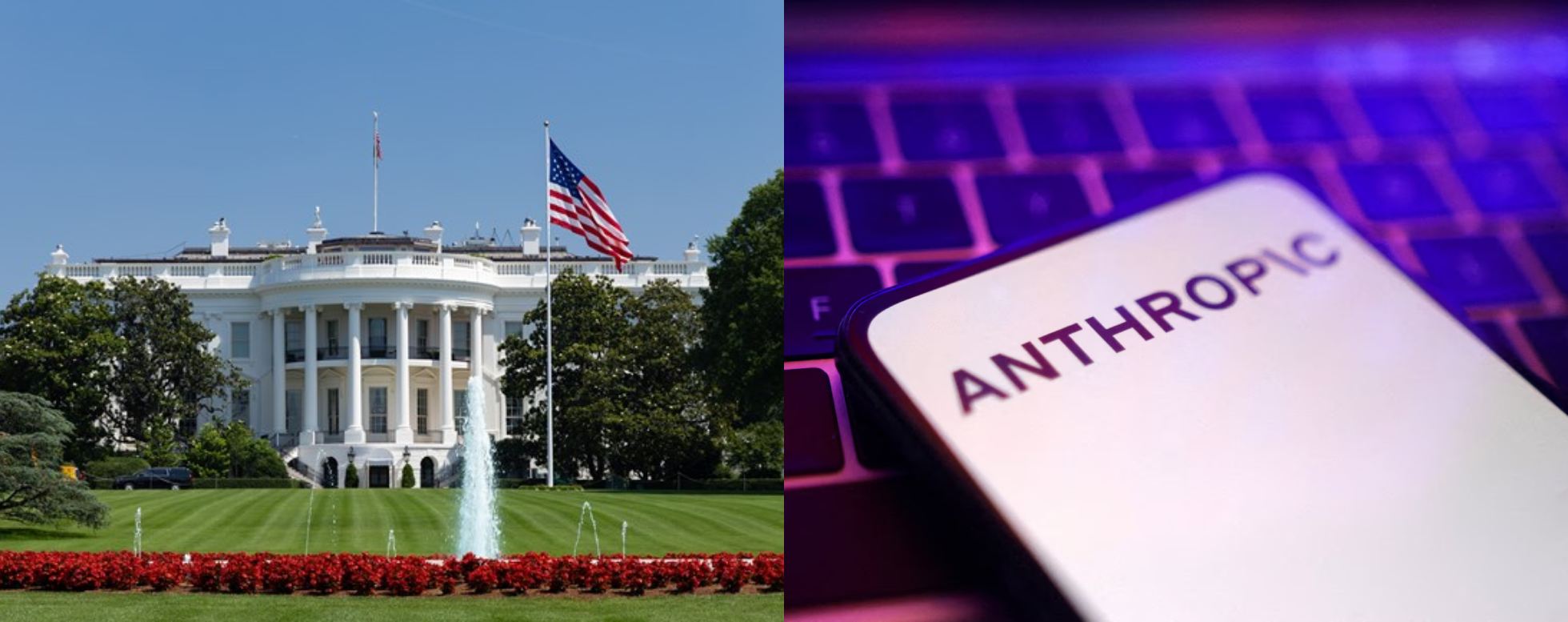
The Pentagon and one of Silicon Valley’s most influential artificial intelligence companies are currently in a confrontation. According to sources, the Defense Department is considering ending its relationship with Anthropic after months of tense negotiations over how the technology can be deployed.
The reason is due to Anthropic’s refusal to allow its AI to be used for domestic mass surveillance or for weapons systems that operate autonomously without human oversight.
Claude is already embedded within classified military environments, and the AI has reportedly been utilized in defense operations, including one involving Venezuelan leader Nicolás Maduro in January. Untangling the technology from existing workflows would be complex and costly.
Pentagon officials have been pushing for broader access to the AI tools, seeking authorization for what they describe as all legally permissible military applications. But Anthropic leadership has held firm, arguing that current surveillance laws are outdated and insufficient to address the capabilities of modern artificial intelligence.
“They have not in any way caught up to what AI can do,” one source familiar with the company’s position explained, highlighting the gap between legal frameworks written before the AI boom and the technology’s current power.
The Defense Department’s response has been forceful. Officials are weighing not only contract termination, potentially costing Anthropic up to $200 million, but also a more sweeping designation that could brand the company a “supply chain risk.”
Such a classification would require any contractor seeking Pentagon business to certify they are not relying on Anthropic’s technology in their own systems, effectively creating a blacklist that could ripple across the defense industry.
“It will be an enormous pain the a** to disentangle, and we are going to make sure they pay a price for forcing our hand like this,” a senior Pentagon official said, reflecting the frustration building within the department.
Pentagon chief spokesperson Sean Parnell framed the issue in stark terms. “Our nation requires that our partners be willing to help our warfig hters win,” he stated. “Ultimately, this is about our troops and the safety of the American people.”
Yet the clash extends beyond a single contract dispute. Defense officials view the confrontation as an opportunity to send a message to the AI industry.
The hard stance taken with Anthropic is intended to influence how other major developers, including OpenAI, Google, and xAI, approach their own military partnerships and usage agreements.
Anthropic has maintained a measured public posture throughout the escalating tensions. In a statement, the company described itself as “having productive conversations, in good faith” with the Defense Department, suggesting negotiations remain ongoing despite the Pentagon’s public warnings.