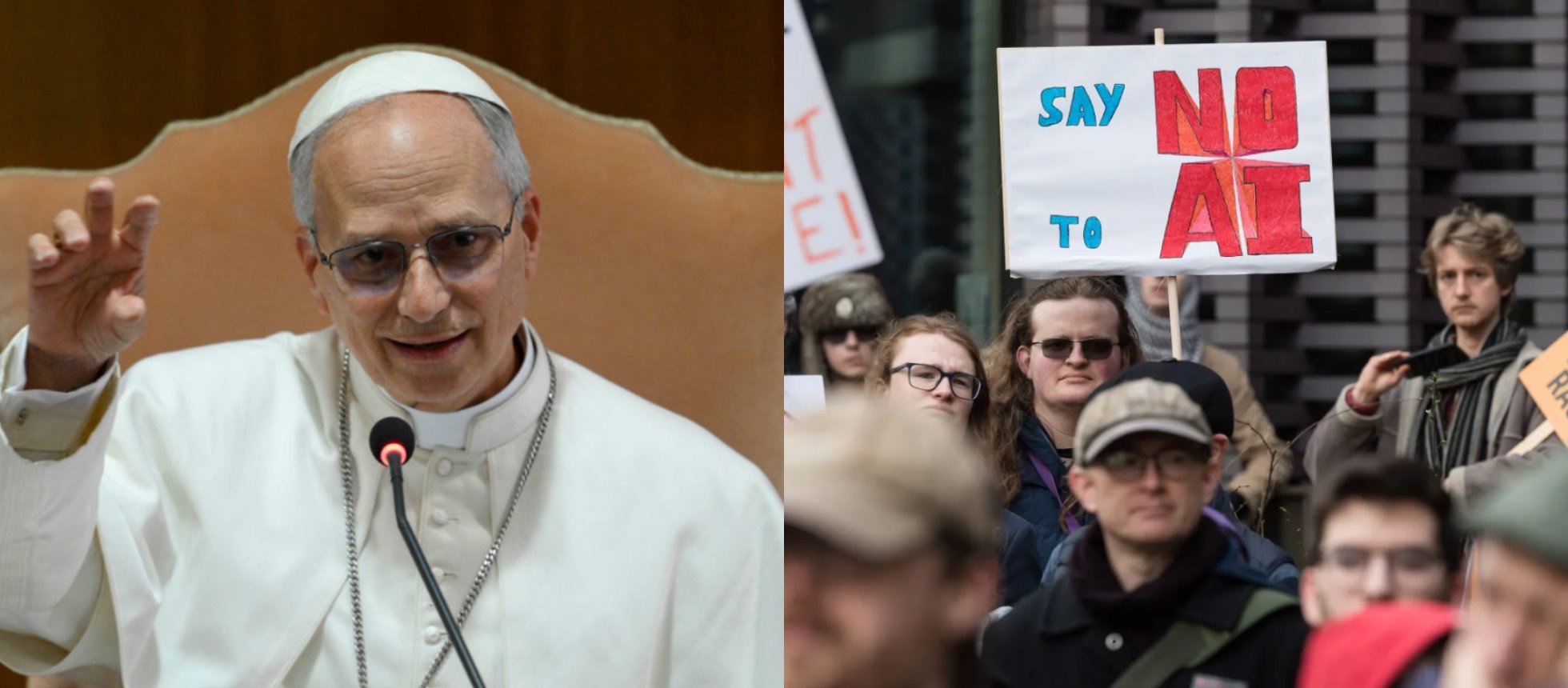
Pope Leo XIV‘s first encyclical landed like a theological thunderbolt over Silicon Valley. Titled “Magnifica Humanitas,” the 235-page document stretched beyond 42,000 words, making it nearly the length of a full book.
In it, the Pope warned business leaders to safeguard humanity from artificial intelligence. He argued that “technology is never neutral” and that it “takes on the characteristics of those who build, finance, and control it.” The encyclical also called for broad AI regulation, worker retraining programs, safety guardrails for children, and a ban on autonomous weapons.
The reaction from the venture capital world was swift and largely dismissive.
Speaking on the All-In Podcast, Bill Gurley framed the encyclical in historical context. He pointed out that Pope Leo XIV deliberately modeled the document after Pope Leo XIII’s 1891 warning about the industrial revolution.
Gurley then listed the societal changes that followed that earlier period of industrialization.
“The work week went from over 60 hours to 34 hours globally. Real wages went up 8 to 10x adjusted for inflation. The median worker now earns more than a doctor did in 1891. Global GDP per capita went from 1500 to 20K. Child labor in the US went from 18% to zero. Workplace dea ths fell by 40x. Life expectancy went up 60%. And global poverty went from 75% of humanity to under 10%,” he said.
Based on those outcomes, Gurley dismissed the earlier papal warning entirely. “He got it wrong. He got the whole thing precisely wrong,” he added.
David Sacks took a more measured position. While he agreed with the Pope’s concerns about concentrated power, he strongly disagreed with the proposed solution.
“The biggest risk of AI is a centralization of power and then its misuse against us in some Orwellian way,” Sacks said.
However, he cautioned against giving governments broader authority to regulate the technology.
“We have to be careful not to empower government too much,” he said, arguing that AI oversight bodies could evolve the same way social media “trust and safety” systems did, eventually becoming tools for censorship.
Rather than regulation, Sacks argued that market competition was the better safeguard.
“Right now we have a very competitive market. You know, we have five frontier labs competing very aggressively. As long as the market is competitive, I would use that because I think competition generates the best outcomes,” he said.
Notably, Amazon, Google, and Meta reportedly lobbied the Vatican on April 29 to soften the encyclical’s language. The Pope was not swayed.