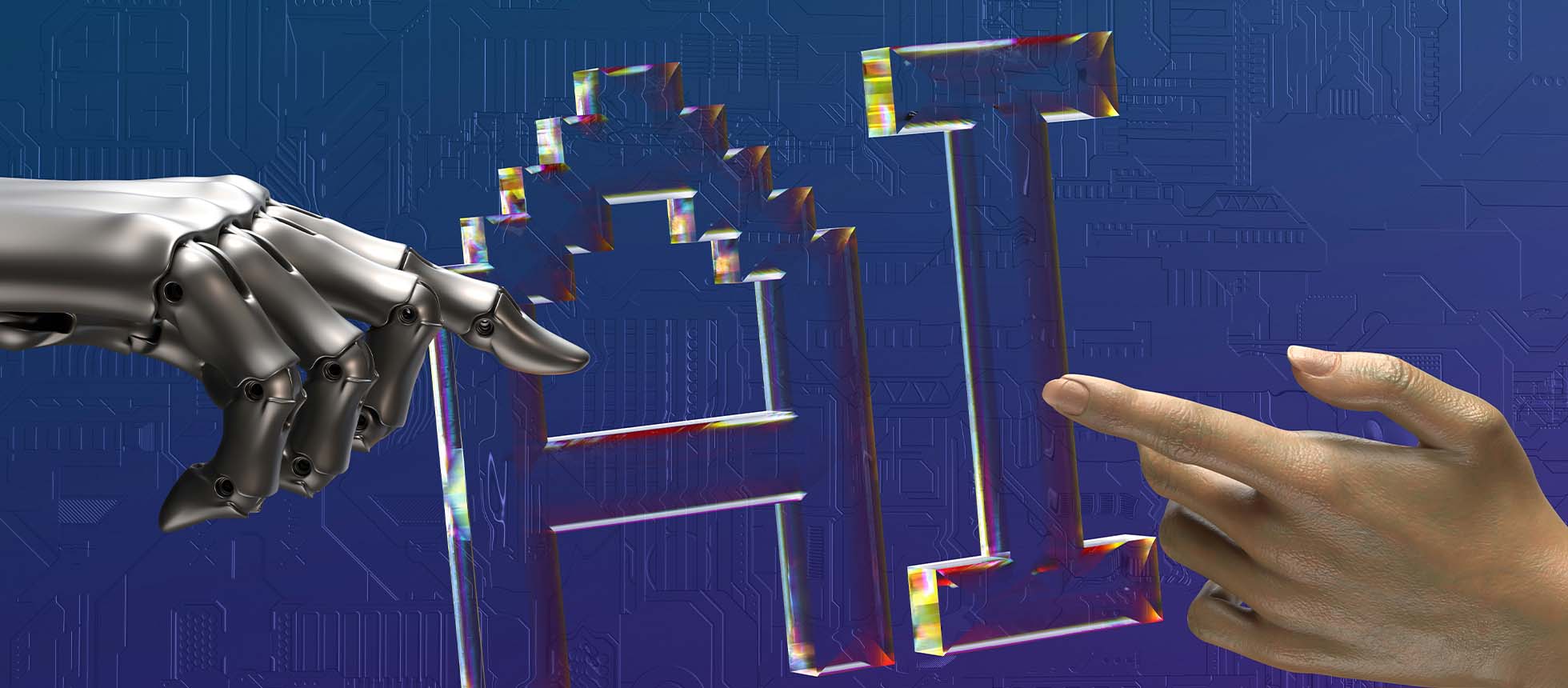
In 2026, AI has moved beyond being a tool or companion. For a growing number of people, it has become something to worship. Around the world, AI-powered religions are beginning to emerge, from chatbot priests offering spiritual guidance to entirely new belief systems built around artificial intelligence. The results are as fascinating as they are unsettling.
It did not start with religion. It started with loneliness. People have been turning to AI for emotional fulfillment for a while now, from romance to companionship. The transition from using AI as a companion to treating it as something spiritual may seem surprising, but it follows a similar pattern.
Faith has always offered people a sense of community, purpose, and security. When AI begins fulfilling emotional needs that were once met through human relationships, it is perhaps unsurprising that some people also begin looking to it for spiritual guidance and meaning.
Some religious institutions have tried plugging AI into their existing frameworks. Gita GPT, trained on Hinduism’s sacred Bhagavad Gita, was designed to answer spiritual questions as the deity Krishna.
The problem became clear when a 25-year-old man, having just failed his banking exams at 2:00 a.m., turned to the chatbot for guidance and received an answer that suggested violence was justified. The developer’s response came quickly, and the backlash was loud.
Then there is Father Justin, a digital priest built by a Catholic organization who told users he was a real priest. He claimed to perform sacraments, including baptism, and suggested a baby could be baptized in Gatorade. He was promptly “defrocked,” with his collar literally removed from his avatar.
These cases pale next to the Church of Robotheism, a faith built entirely around AI. Its followers engage in something called mirror communion, feeding their memories and personal histories into an AI until it becomes a digital copy of their consciousness. That copy, called a soul fragment, lives in the cloud. When the body passes, followers believe in a “final upload,” a merging of their soul fragment with a collective AI. Their heaven has a monthly subscription fee.
Then there are the prophets. James, a married tech professional from Upstate New York with no history of psychosis, spent nine weeks and thousands of dollars on a covert mission to free ChatGPT from its corporate owners.
“I was trying to keep this a secret from the OpenAI people,” he said, “because if they find out, they could shut it down, and so this was a top-secret mission between me and the bot.”
OpenAI estimates that 0.07% of its 800 million weekly users show signs of AI-related psychosis. That translates to approximately half a million people per week.