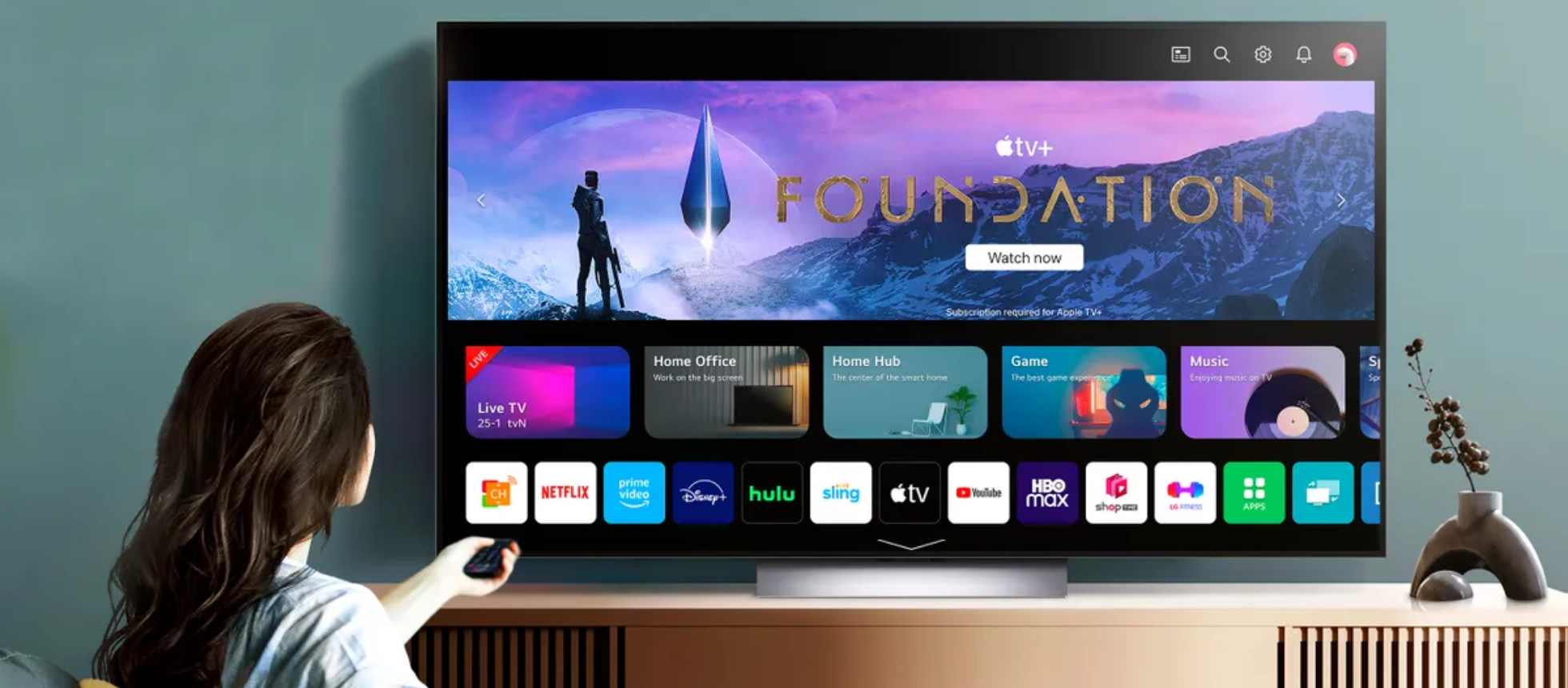
LG has a new marketing pitch for its AI-powered appliances, and it is exactly as unsettling as it sounds. The company describes its devices as having “affectionate intelligence” and an “empathetic and caring AI” that is “optimized to learn and analyze your physical and emotional life patterns.” Its AI TV, according to LG’s own website, “recognizes you, adapts to you, and cares for you.”
Critics argue that this language clashes with the reality of how modern smart devices collect and use consumer data.
The concern is not merely philosophical. LG’s G3 OLED television, a flagship model that retailed for more than $3,600, reportedly shipped with the “Do not sell my personal information” setting disabled by default. Unless users actively searched through the settings menu and changed it themselves, data collection and sharing features remained enabled from the moment the TV was set up.
These concerns are not new. In 2013, NBC News reported that LG smart TVs transmitted information about what users watched, continued sending data even after users disabled collection settings, transmitted that data without encryption, and, in one test, sent the names of files stored on a connected USB drive back to LG.
In 2017, security firm Check Point disclosed a vulnerability that allowed researchers to take over an LG account using only a victim’s email address, potentially granting access to connected appliances, including the camera built into LG’s robot vacuum.
More recently, the Texas Attorney General sued several television manufacturers over data collection practices. In May 2026, the office announced a settlement with LG requiring the company to display a pop-up disclosure informing users about viewing-data collection and providing an option to opt out.
LG’s kitchen appliance marketing also emphasizes AI-driven features, including “analyzing, optimizing, adapting, and listening and responding in real time for seamless living.” Critics remain skeptical of these capabilities, particularly when they are tied to devices that collect user data.
Questions have also been raised about data collection in other LG products. One example involved an LG washing machine that was reportedly found to be collecting and transmitting personal data.
At the center of the debate is the language companies use to market AI products. Terms such as “care,” “empathy,” and “affection” carry significant emotional weight. Critics argue that applying those words to devices that collect personal information, often with data-sharing features enabled by default, risks misleading consumers about the nature of the relationship between users and technology.
Whether consumers push back or simply accept these practices as part of modern technology remains to be seen. What is clear is that the gap between LG’s marketing language and concerns about its data practices continues to attract scrutiny.