
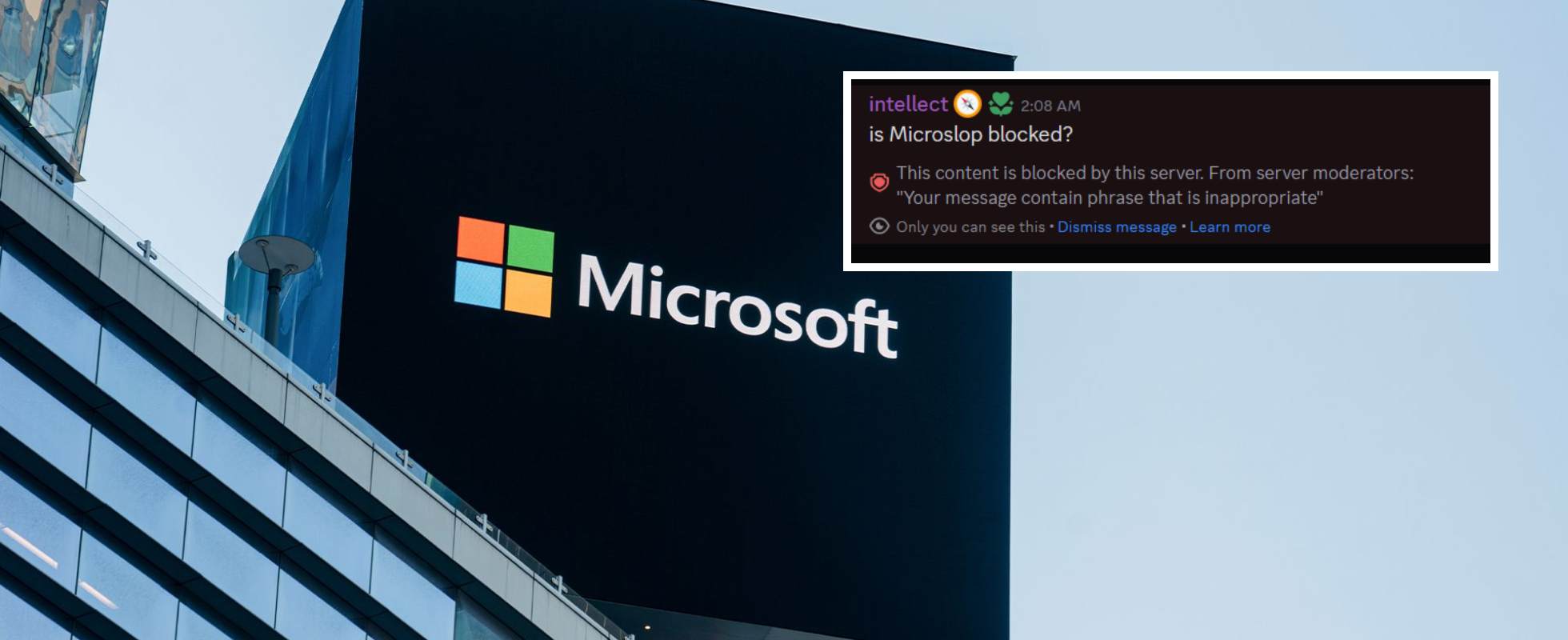
When Microsoft began filtering the term “Microslop” from its official Copilot Discord server, the company likely didn’t anticipate the cascade of events that would follow. What started as a simple keyword block quickly spiraled into a server lockdown.
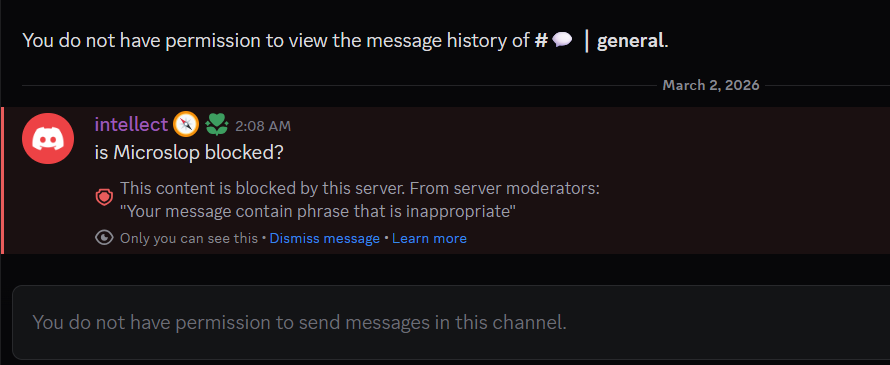
According to sources, any message containing “Microslop” was immediately suppressed, visible only to the sender along with a notice explaining the content violated server rules.
The term itself emerged throughout 2025 as social media shorthand for Microsoft’s perceived stumbles, particularly the aggressive integration of AI features into Windows 11 that many users felt compromised system stability.
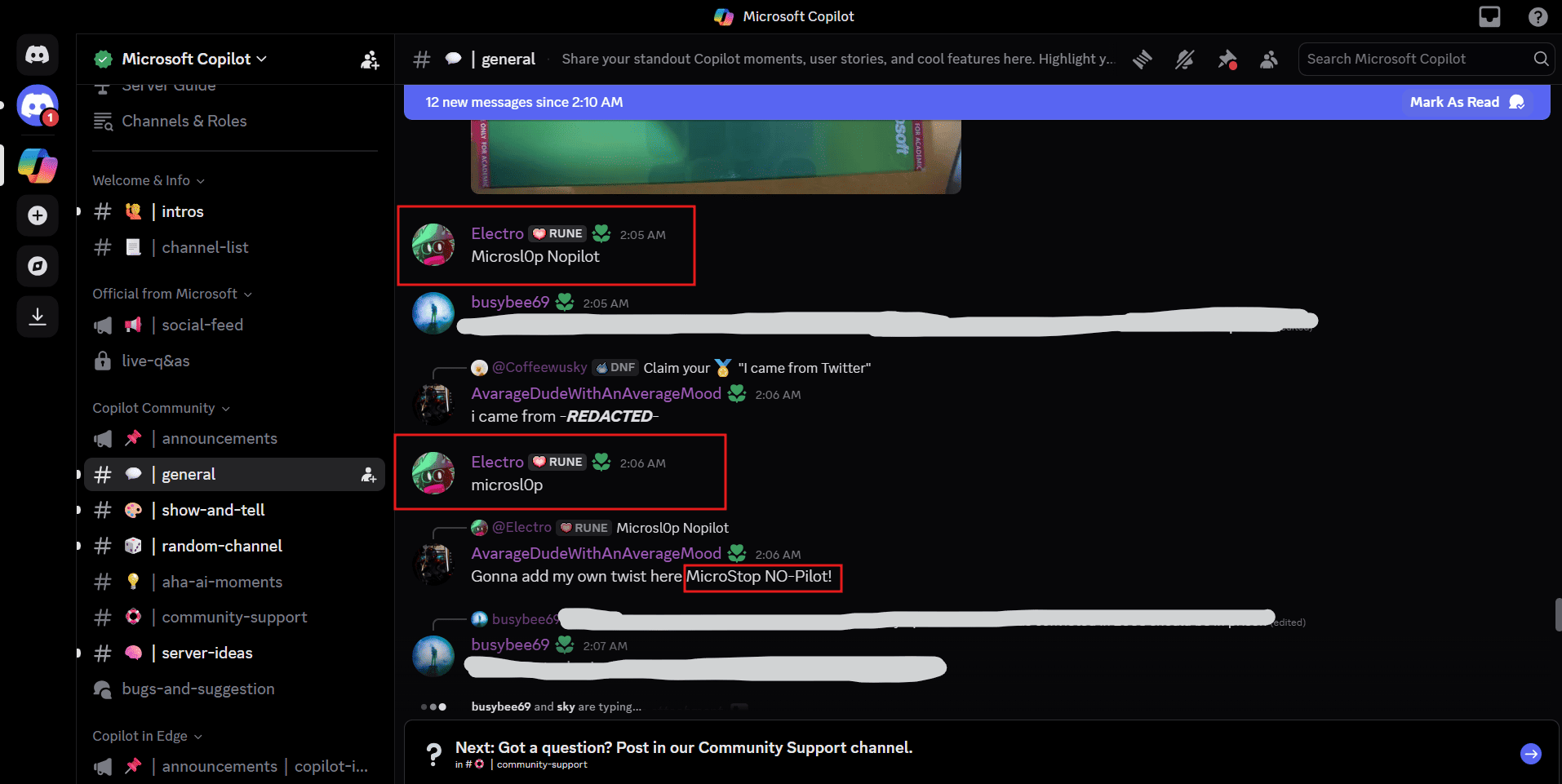
The filter didn’t take long to backfire. Once word spread on social media, users began testing workarounds, substituting zeros for letters and experimenting with other variations that easily bypassed the restriction.
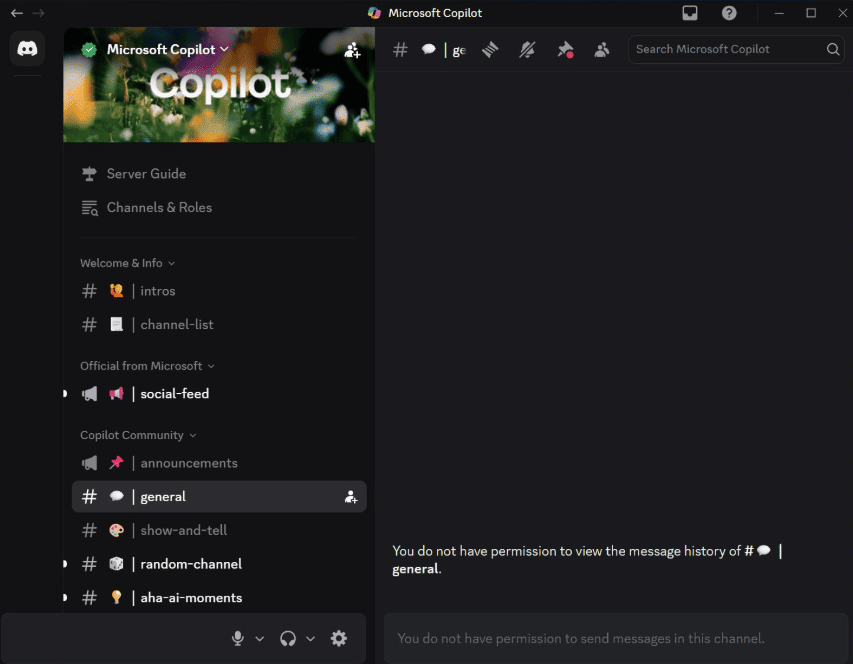
Some accounts lost messaging privileges entirely. Eventually, Microsoft restricted access to portions of the server, hiding message history and disabling posting permissions for numerous members.
According to Microsoft’s official response to Windows Latest, the situation was more complicated than it appeared. “The Copilot Discord channel has recently been targeted by spammers attempting to disrupt and overwhelm the space with harmful content not related to Copilot,” a company spokesperson explained. “Initially, this spam consisted of walls of text, so we added temporary filters for select terms to slow this activity.”
The company emphasized that blocking “Microslop” and related phrases was never meant as permanent policy, but rather a stopgap measure while implementing stronger protections. “We have since made the decision to temporarily lock down the server while we work to implement stronger safeguards to protect users from this harmful spam and help ensure the server remains a safe, usable space for the community,” the spokesperson added.
Just weeks earlier, in December 2024, the company had promoted the Discord server through an official post on X, inviting users to explore Copilot’s capabilities.
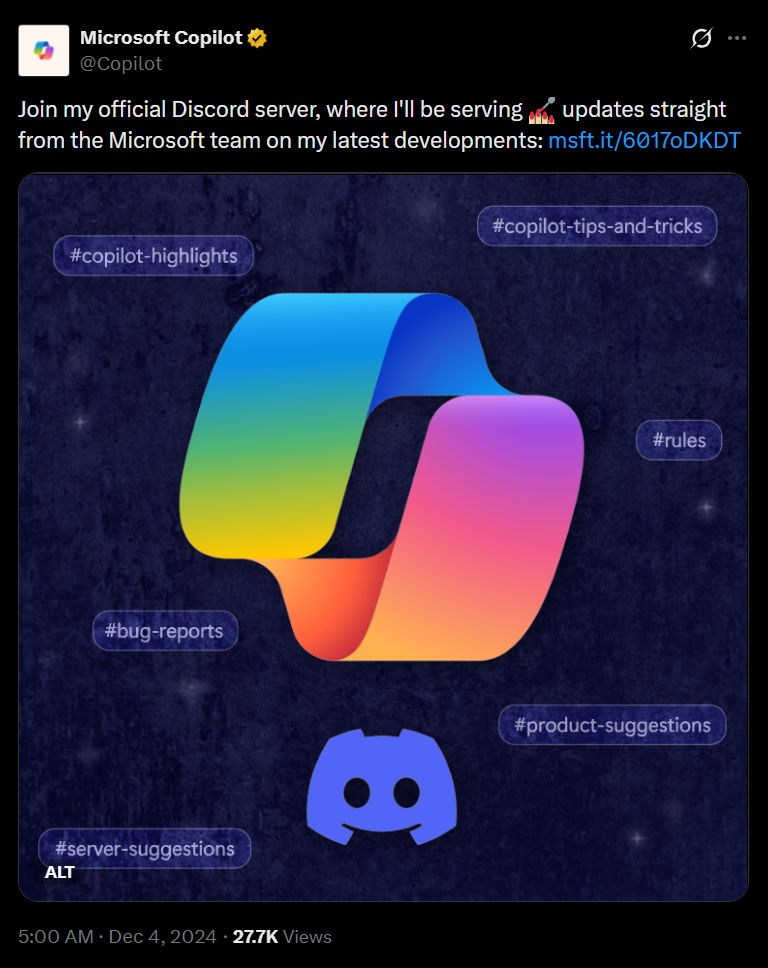
The initial response was genuinely curious and positive. But sentiment shifted as Microsoft doubled down on AI across Windows 11, with Copilot becoming the most visible symbol of that strategy.
CEO Satya Nadella recently made clear that the company has no intention of changing course. In a post reflecting on the year ahead, he wrote that 2026 “will be a pivotable year for AI,” describing the industry’s shift from “initial phase of discovery” into “a phase of widespread diffusion.”
Addressing criticism directly, Nadella stated: “We need to get beyond the arguments of slop versus sophistication and develop a new equilibrium in terms of theory of mind that accounts for humans being equipped with these new cognitive amplifier tools as we relate to each other.” His use of the word “slop” was particularly notable, given that Merriam-Webster named it Word of the Year for 2025, largely because of its association with low-quality AI-generated content.
The language throughout Nadella’s message sparked its own controversy. Phrases like “scaffolding for human potential” and references to “spectacle and sub stance” led some observers, to speculate the post itself may have been AI-generated. Reply threads filled with mockery, with users pointing out the irony of using the very tools being criticized to defend their use.
🦔 Microsoft banned the word “Microslop” on its official Copilot Discord server. Any message containing the term gets automatically blocked. Users started testing workarounds like “Microsl0p” with a zero, which slipped past the filter. Microsoft then locked down the server,… pic.twitter.com/l6J8MEX1ps
— Hedgie (@HedgieMarkets) March 3, 2026
A poll by tech commentator Brent found that 77% of over 1,100 respondents considered 2025 a difficult year for Windows 11, with much of the criticism focused on forced AI integration. Yet Nadella’s position remains firm: “what matters is not the power of any given model but how people choose to apply it to achieve their goals.”
Despite the backlash, Copilot has developed features that offer genuine utility. Its connector capabilities can pull contextual information from services like Google Contacts, Gmail, and Outlook, retrieving phone numbers or email addresses directly within the interface. In testing, this proved more advanced than what competing tools like Gemini currently offer.
Still, Microsoft faces an uphill battle. The company’s early advantage in AI adoption is being challenged by competitors including Anthropic, Google, OpenAI, and potentially Apple.