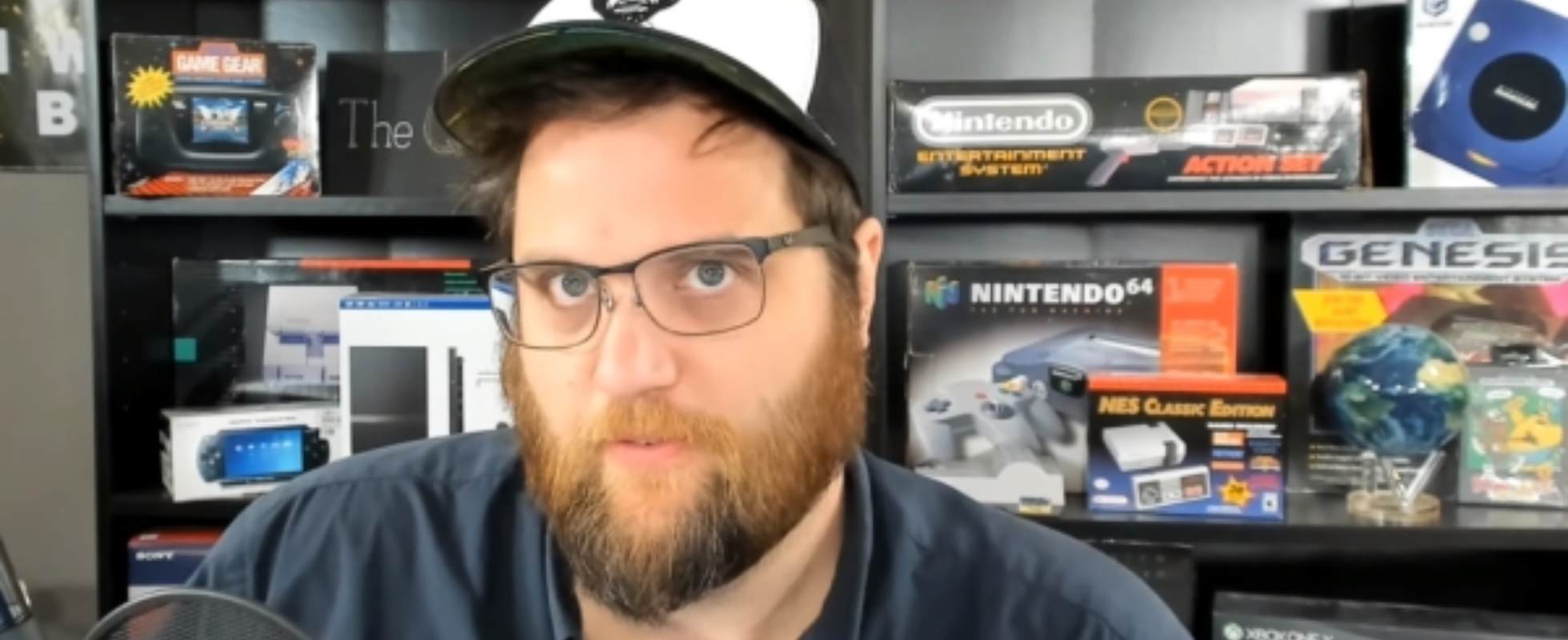
Jeremy Hambly, known online as TheQuartering, is facing the prospect of a class action lawsuit over allegations that he systematically abused YouTube’s copyright flagging system to remove content from creators who spoke out against him.
The controversy centers on accusations that Hambly engaged in false flagging, using YouTube’s DMCA takedown system to target detractors. As critics began posting videos and conducting live broadcasts responding to Hambly, their content was removed and their channels received strikes.
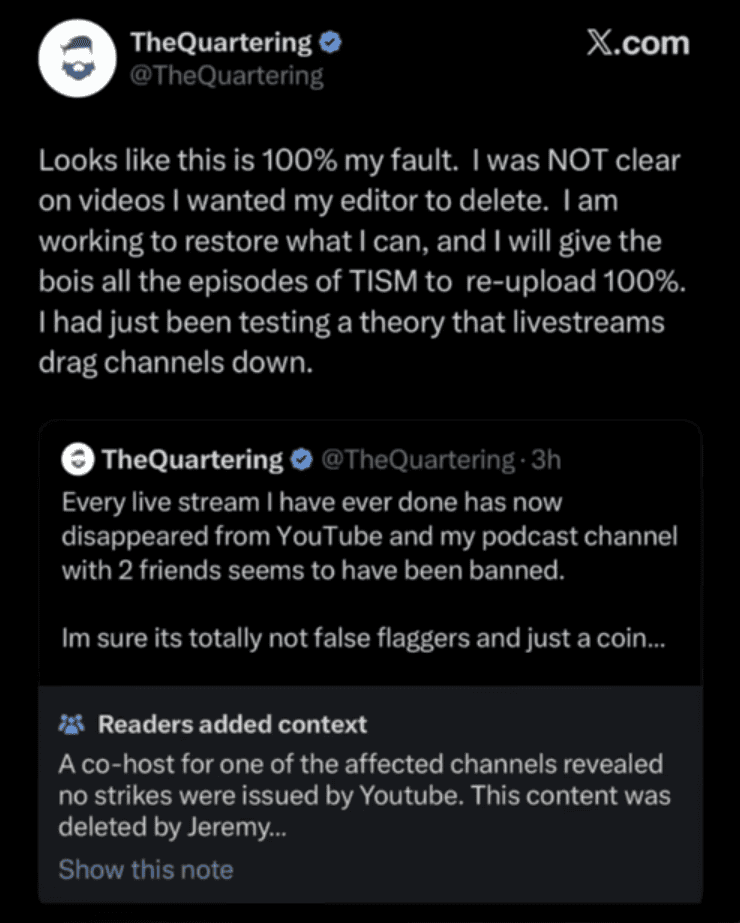
The situation escalated when Hambly’s podcast, the Tism, which he co-hosted with Bearing and Count Dankula, was deleted. Hambly initially suggested false flaggers were responsible before later admitting the deletion was his own doing, blaming a miscommunication with his editor.
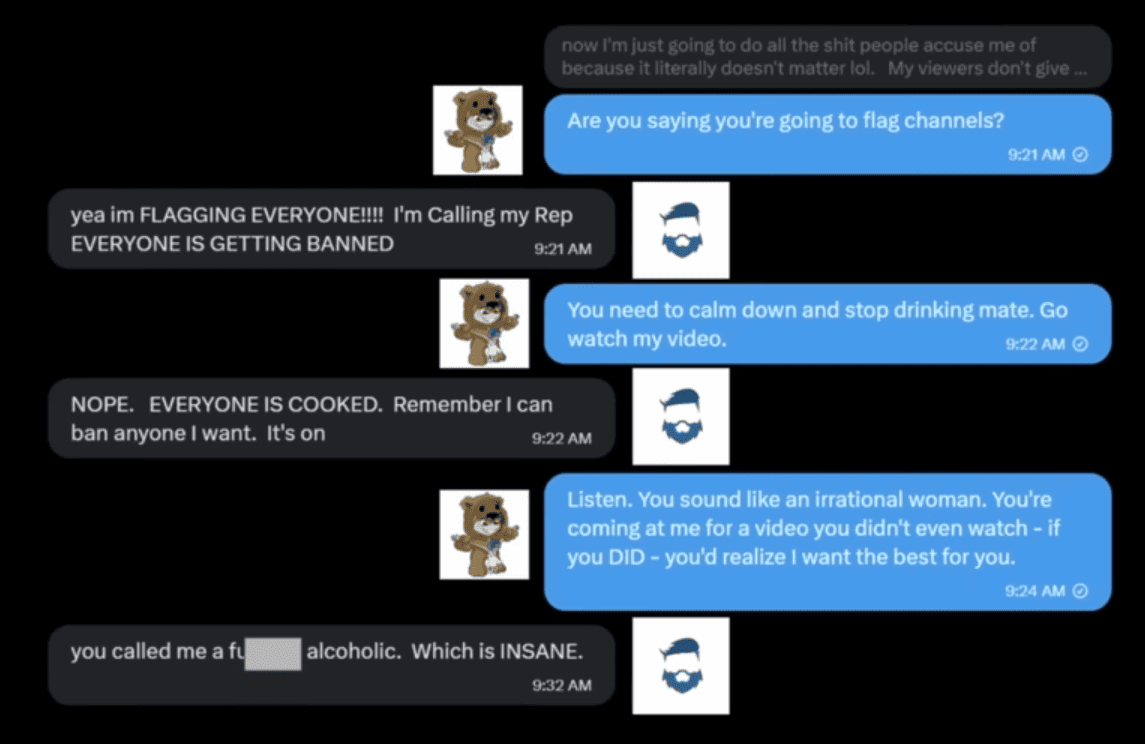
The admission drew immediate backlash. Bearing, one of the podcast’s co-hosts, publicly shared private messages in which Hambly stated, “Yeah, I’m flagging everyone. I’m calling my rep. Everyone is getting banned.”
Even if Hambly intended the remark as a joke, such statements carry legal weight when real claims are present and a judge is evaluating intent.
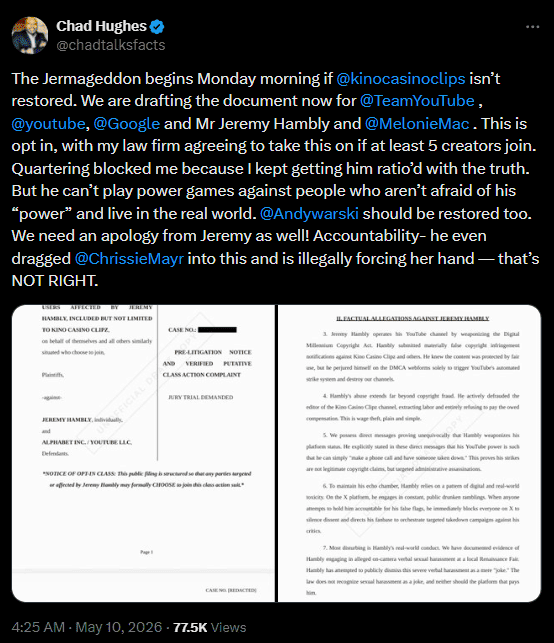
Attorney Chad Hughes has since threatened a class action lawsuit, with filings naming Hambly, YouTube, and Google in the United States District Court, Central District of California. The legal basis rests primarily on Section 512F of the DMCA, which provides a private right of action against those who knowingly and materially misrepresent content in takedown notices.
Additional claims could include tortious interference of contract, and Bearing and Count Dankula may have separate grounds related to joint copyright ownership of the deleted podcast episodes, given that one co-owner generally cannot unilaterally delete shared content without consensus.
Legal observers have questioned whether a full class action lawsuit would ultimately succeed, largely because copyright and fair use disputes are highly individualized and typically require courts to examine each allegedly infringing video separately. Instead, several individual lawsuits filed by separate creators could prove more effective and potentially create significant financial pressure.
Defending even a single federal DMCA case can cost between $50,000 and $300,000. With reports circulating about Hambly’s financial difficulties, the prospect of a dozen or more creators filing separate nuisance claims, each settling for $5,000 to $25,000, could add up to well over $100,000 in total exposure.