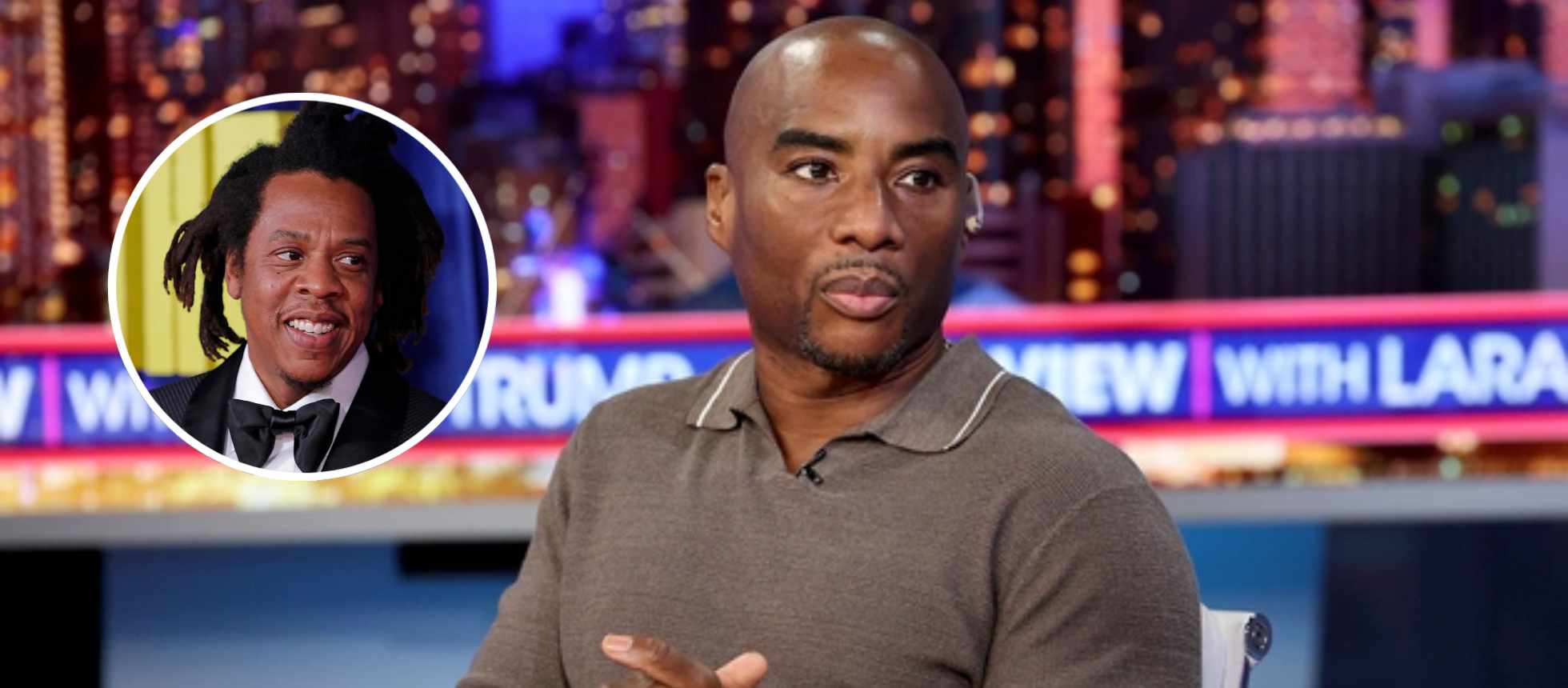
Charlamagne tha God found himself on the defensive during a sit-down with DJ Akademiks after details emerged connecting him to a Roc Nation casino bid in Times Square, raising questions about his public stance on gambling-adjacent platforms and enterprises.
The tension came to a head when Akademiks confronted Charlamagne about being listed under Roc Nation in a New York State disclosure form tied to the Times Square casino bid. The project involved four entities: SL Green, Caesars, Live Nation, and Roc Nation.
Charlamagne had been publicly visible at community town hall meetings advocating for the casino to move forward.
“Me and Fat Joe at town hall meetings going back and forth with people about the casino,” Charlamagne said. “We’re at Manhattan Plaza Center doing community events trying to get people to be open to a casino coming to Times Square.”
Akademiks argued that while Charlamagne had been vocal about alleged illegal activity surrounding online gambling platforms like Stake, he had never disclosed his own financial stake in a casino venture.
“You advocated, but you never said I’m doing this because I’m business-wise aligned for this casino,” Akademiks said.
Charlamagne pushed back, arguing the disclosure was always available to anyone willing to look.
“It was already public record,” he said.
He also contended that being listed under the Roc Nation group in the bid documents did not mean he worked for Roc Nation directly.
“You can look under the Roc Nation thing and see that everybody that’s under Roc Nation don’t work for Roc Nation,” Charlamagne noted.
Akademiks was unmoved.
“Nobody was really going to find that and really connect it. It’s about the hypocrisy,” he said, pressing Charlamagne to explain why it was not a conflict of interest.
Charlamagne’s defense centered on one key distinction: the bid never resulted in an actual casino. Because no license was ever granted, he maintained there was nothing concrete to disclose to the public.
“The disclosure should be to two people: the government regulators, which you read yourself, and my employer, which is iHeart,” he said. “I only would have equity in said casino if we got the license for the casino.”
He also rejected the idea that he had ever criticized gambling itself.
“I never said there was anything wrong with casinos. I never said there was anything wrong with gambling. Never,” Charlamagne said, arguing his focus had been on the specific alleged illegal activities tied to online platforms, not the casino industry as a whole.
Akademiks was not fully satisfied with that framing, pointing out that during the months the bid was being pursued, Charlamagne was on air pushing for Times Square to welcome the project without ever mentioning his potential financial interest.