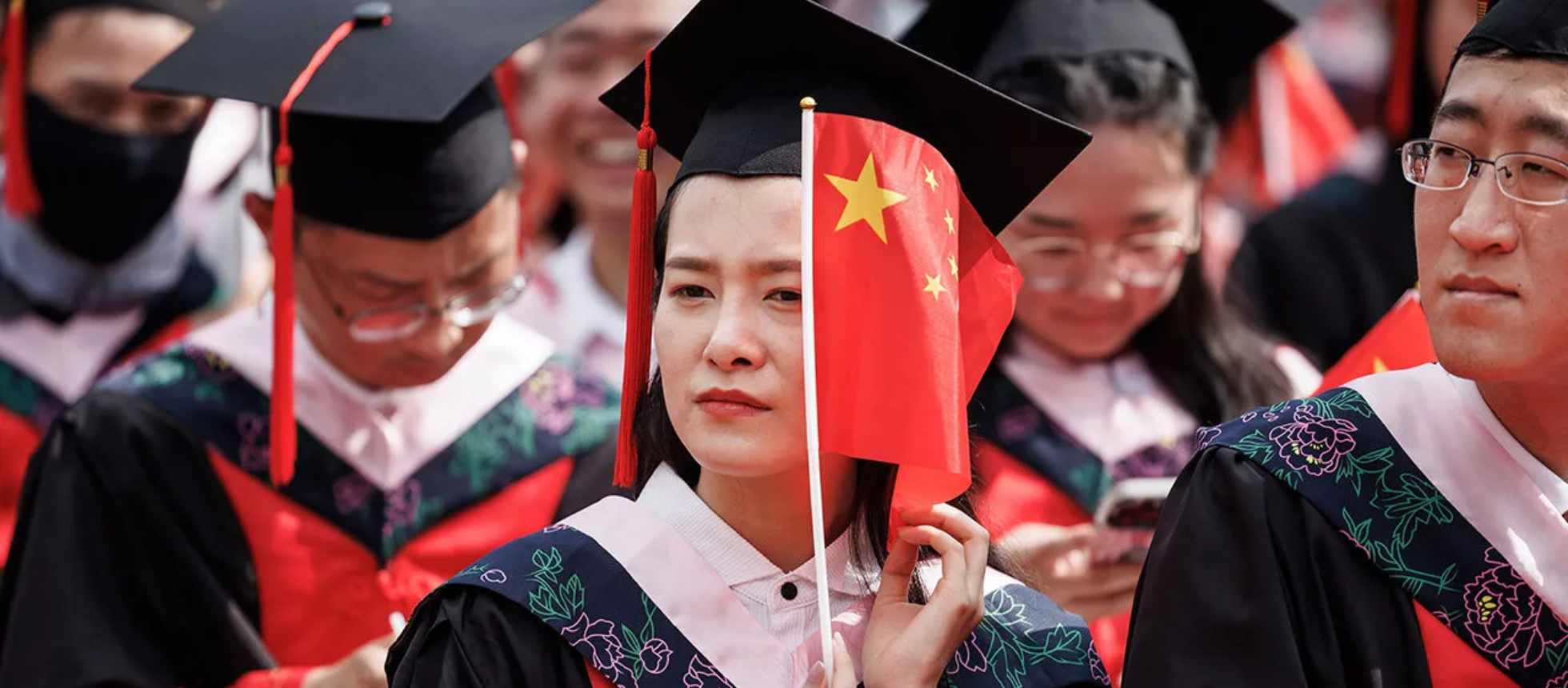
China is reshaping its higher education system at a scale rarely seen in modern history. Between 2021 and 2025, universities across the country revoked or suspended 12,200 undergraduate degree programmes while introducing 10,200 new ones. More than 30 per cent of all university programmes in the country underwent significant changes, according to Ministry of Education data cited by Xinhua.
According to sources, the overhaul is not subtle. Arts programmes, language degrees, and other humanities-focused courses of study are being phased out to make room for technology-centred fields that align with Beijing’s vision for the country’s economic future. The message from policymakers is clear: China’s universities must become engines of technological advancement, not repositories of tradition.
The timing is no coincidence. The rapid rise of generative and industrial applications of artificial intelligence has accelerated pressure on governments and institutions worldwide to reconsider what skills the workforce of tomorrow will actually need. China, locked in an intensifying competition with the United States for technological supremacy, has chosen to act decisively and at scale.
New programmes being introduced in place of the discontinued ones lean heavily into fields such as AI, robotics, advanced manufacturing, and what Chinese planners call “future industries.” It is a broad category that encompasses everything from humanoid robots to embodied AI systems. The government has been fast-tracking development in these sectors under nationwide programmes designed to position China as a global leader before the end of the decade.
The restructuring also comes against a backdrop of mounting pressure in China’s graduate job market. Youth unemployment has deepened in recent years, and a record graduation season is adding further strain. With an oversupply of graduates in traditional fields and a surging demand for professionals with technical expertise, particularly in AI, the mismatch between what universities produce and what employers need has become impossible to ignore.
The scale of change reflects both urgency and ambition. Rather than making incremental adjustments to curricula, China is reconfiguring the architecture of its higher education system from the ground up, betting that redirecting the intellectual energy of its youth toward technology will pay dividends in the global race for innovation. Whether those graduates will find the jobs waiting for them remains, for now, an open question.