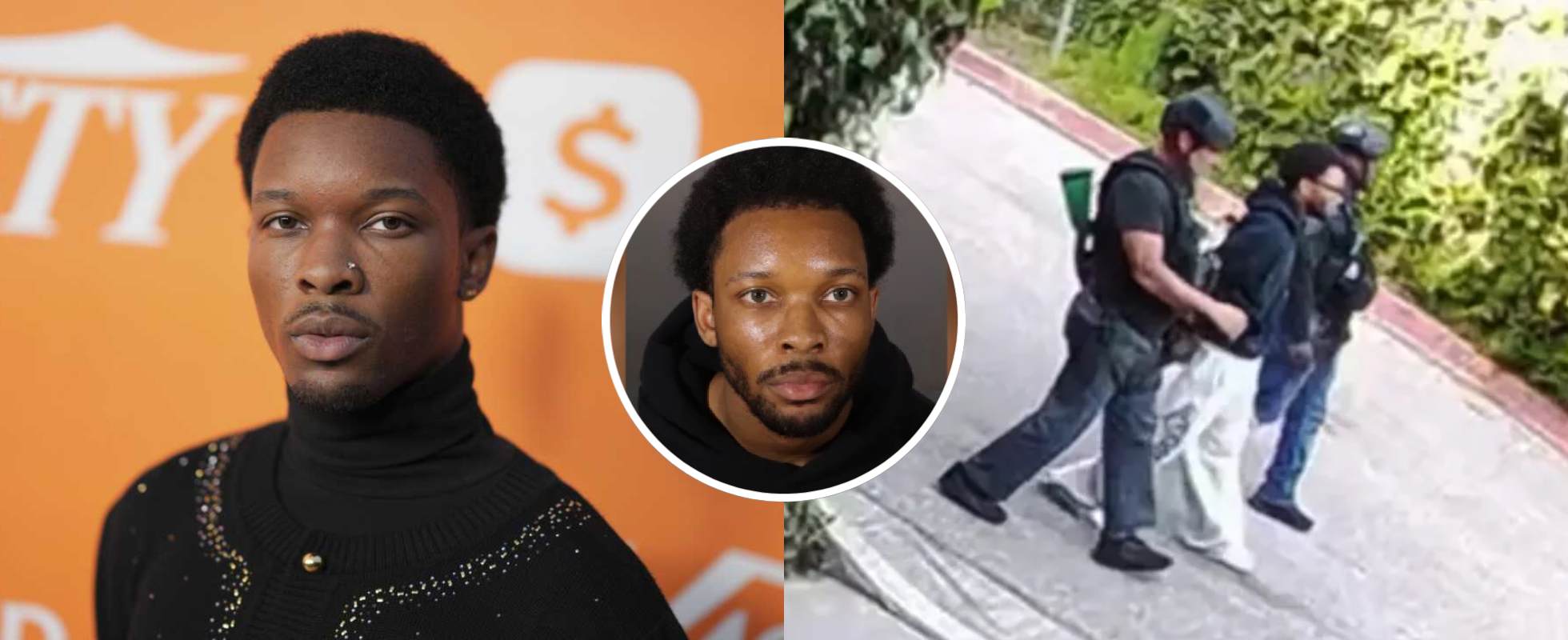
At a time when virtually every transaction, movement, and communication is logged by some platform or another, David Anthony Burke (popularly known as d4vd) allegedly left a paper trail so thorough that prosecutors now have approximately 40 terabytes of digital evidence to work with.
From food delivery apps to Amazon orders placed under a fake name, the case against the singer D4vd illustrates what happens when someone raised entirely on digital convenience tries to operate outside the law.
On the night of April 23rd, 2025, prosecutors say David sent Celeste Rivera Hernandez an Uber from her family’s home in Lake Elsinore to his Hollywood Hills residence. That ride, completed and logged by the app, placed Celeste at his address at around 10:10 p.m. During the journey, the two were communicating by text. These are precisely the kinds of timestamped, platform-generated records that investigators can subpoena with minimal effort.
The day after the alleged m*rder, David was back on his apps. He ordered a shovel from Home Depot via Postmates. He joined a Fortnite live broadcast. He texted Celeste’s phone asking where she was, while prosecutors believe she was already deceased. Every one of those actions generated a log.
Then came May 1st, 2025. According to the prosecutor’s brief, David received several Amazon deliveries: a body bag, laundry bags, an inflatable pool, and two chainsaws, all ordered under the name Victoria Mendez.
The fake name appears to have been a longstanding alias on his account rather than a calculated evasion. Prosecutors had no difficulty connecting the deliveries to his address.
On July 7th, 2025, he placed another Amazon order, again under a false name: a burn cage, a stainless steel container used to incinerate materials. The item appears to have never been used.
Beyond purchasing habits, David’s social media activity during this period was relentless. He posted on TikTok and Twitter throughout April and into May, placing himself publicly at album release events and tour dates. His iCloud account, accessed by investigators, contained what prosecutors describe as “a significant amount” of material, contributing to the roughly 40-terabyte data collection now in evidence. Investigators also reportedly conducted a wiretap on his phone.
Even while reportedly in hiding after Celeste’s body was found in September 2025, David remained active on Instagram, exchanging direct messages with another artist as recently as March 2026, just weeks before his April arrest.
For a generation raised on one-tap ordering and constant digital documentation, David’s case shows just how thoroughly any platform logs its users, and how readily those records transfer to investigators who come looking.