
Free to use under the Unsplash License
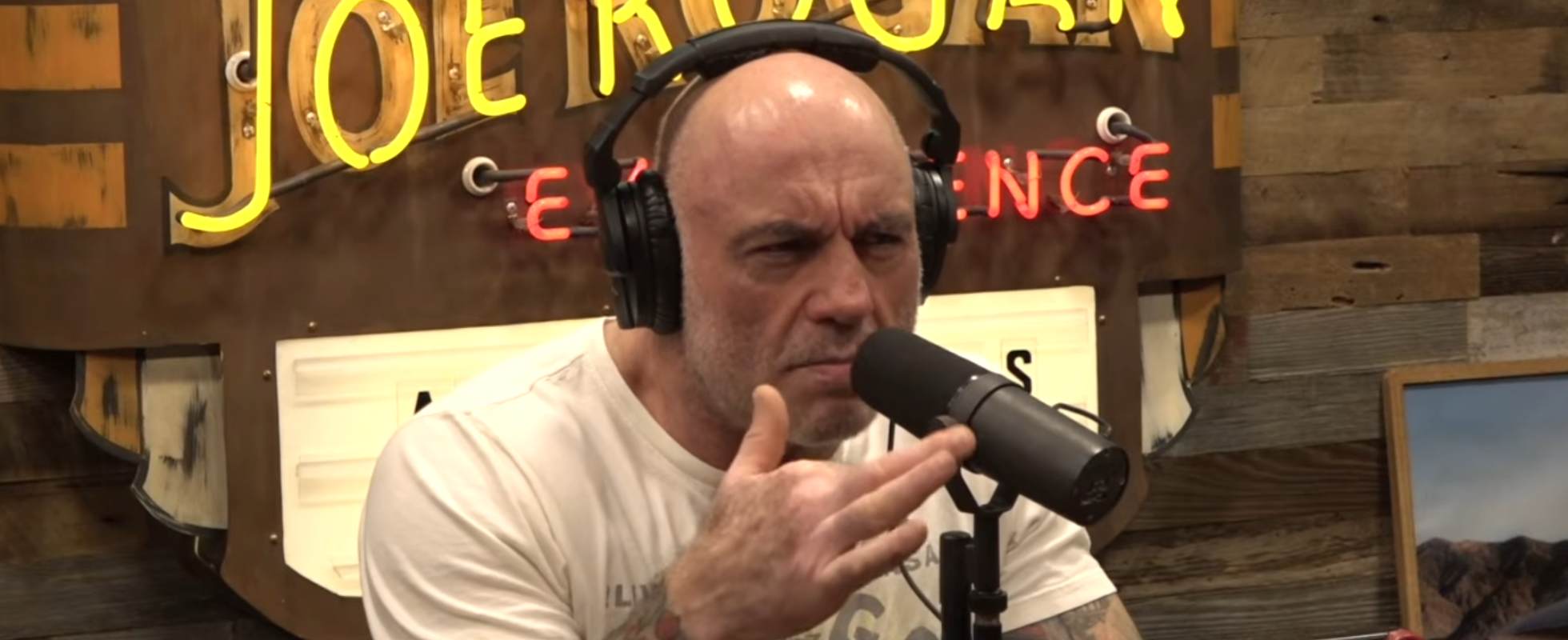
On Joe Rogan Experience #2494, guest Chamath Palihapitiya noted that Joe Rogan doesn’t read his online comments. This prompted Rogan to explain why he made that choice, and why he believes others in the public eye should follow suit.
Rogan’s reasoning boiled down to a blunt assessment. “No one who is healthy and happy and intelligent is going to post mean things about you,” he said. “So you are reading things from people that are mentally ill, unhappy.”
While he acknowledged that some commenters may have real skills, he drew a clear line when it comes to character. He said, “Their overall grasp of humanity and being a good person is not good if you’re s**ting on people, especially if you ad hominem attacks and just insults,” he added.
To make his point more relatable, Rogan compared comment sections to junk food.
“It’s like if you go down the supermarket, you see Twinkies. Oh, they’re right there,” he said. “Don’t f**king eat them, okay? That’s not good for you.” From his perspective, the takeaway is simple: “I don’t think that at a certain point in time, especially if you become publicly known and famous, you should ever read your comments. I don’t think it’s good for you.”
He went on to describe how damaging this habit can be, particularly for comedians. “I know a lot of people that have gone crazy reading their own comments,” Rogan said. “I’ve met comedians that they’ll think about it all day long. It will f**k with them.”
That constant exposure to negativity can quickly spiral into self-doubt. “The self-doubt creeps in because all these people are telling you you suck and they’re like, ‘Oh my god, I suck,’” he explained. “And then you go on stage with this like, ‘People think I suck, they ha te me.’ You can’t do that.”
Additionally, Rogan framed attention as a limited resource. “Think of your attention and your focus as a unit. You have a hundred units,” he said. “If you spend 30 of those f**king units on s**t online, you’re robbing 30 units from all the things you love.”
He extended that idea to different parts of life: “30 units from your family, 30 units from your friends, 30 units from your job, 30 units from golf or poker or whatever it is that you love to do.” Ultimately, he argued, “You’re stealing your own time and your own focus for losers.”
At the same time, Rogan made it clear that ignoring comments doesn’t mean avoiding self-reflection. “You better be self-auditing or you’ll start sniffing your own farts and think they smell great. Don’t do that either,” he said. In fact, he described himself as “very self-critical, horribly so, to the point where I tor ture myself,” which is exactly why he doesn’t rely on outside criticism.
Rogan also reflected on how social media might have shaped him differently when he was younger. “Look, if you gave me a f**king Twitter account when I was 16, oh my god, it would have been horrendous,” he said. “I would have been a terrible person.”
He added that this kind of behavior is often tied to personal struggles. “It’s normal, especially if your life sucks and you’re not doing well and you’re attacking famous people,” he said.
For Rogan, the larger issue is the impact on mental health. He described reading comments as “one of the absolute worst things for mental health,” driven by “this a**iction that people have to posting things and then reading the responses to those posts and getting wrapped up in these very weird two-dimensional interactions with human beings.”


