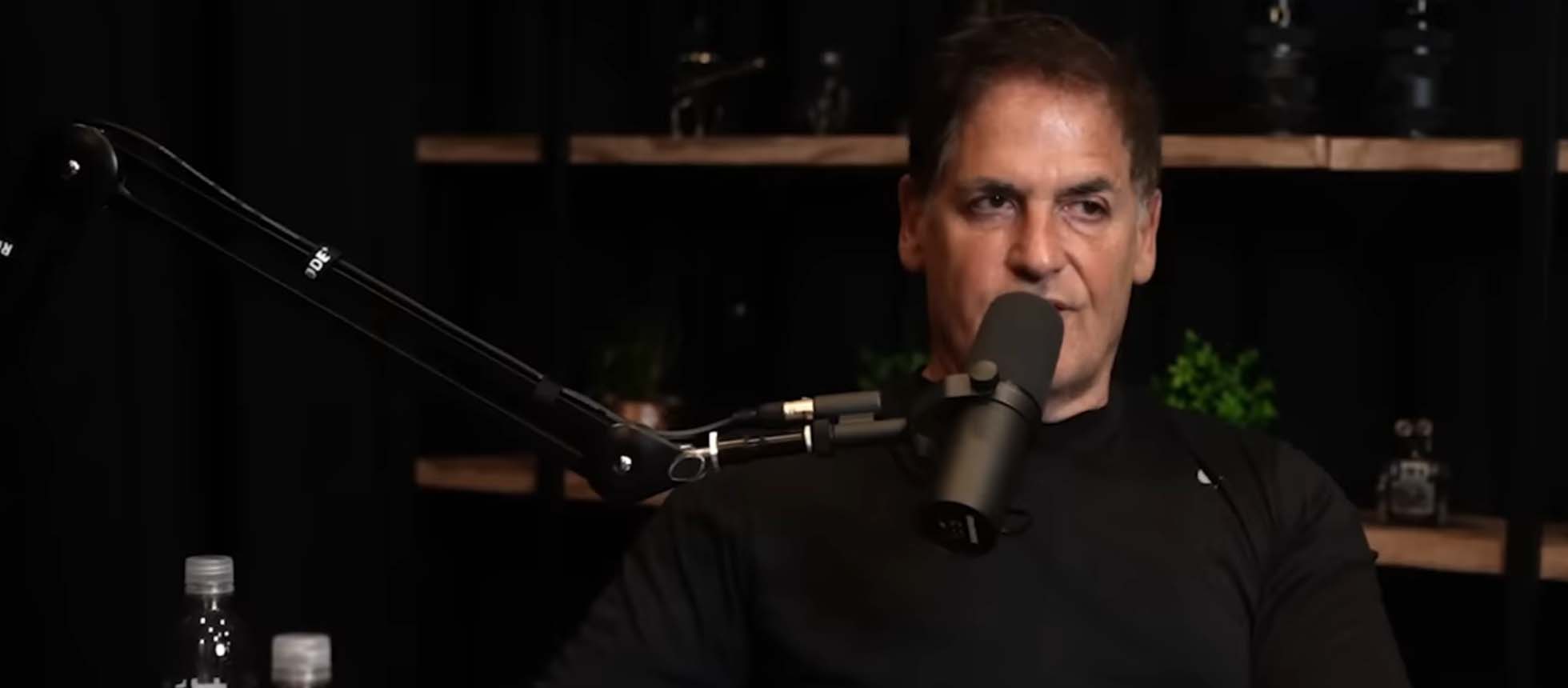
Screenshots from YouTube video by Lex Fridman Podcast, used under Creative Commons license
Mark Cuban told the All-In podcast that the current AI investment cycle resembles a bubble, though not the public market mania of the dot-com era.
“It’s not the traditional dotcom bubble, right? Because back then there was s**tty a** companies going public getting crazy valuations and people are buying them and the stock would go up, you know, fifty percent, one hundred percent, with companies that had no revenue, no traffic, no nothing,” he said.
Instead, he sees risk concentrated in private capital.
“It could just destroy a lot of VCs and a lot of funds and a lot of PE, right? Because they’re going all in.”
Cuban highlighted the massive capital expenditure by hyperscalers like Google and Meta, who are borrowing billions on top of cash flow.
“They’re spending all their cash flow on capex and then they’re borrowing on top of that, right? That’s planning for perfection,” he warned.
This buildout assumes relentless demand, but Cuban argues technological breakthroughs will alter the economics.
“If there’s a price performance curve on AI that minimizes the power requirements, there’s going to be a lot of data centers that are going to be turned into pickleball courts.”
He compared it to the fiber boom, where dark fiber eventually sold for pennies on the dollar. Additionally, implementation remains a major hurdle.
“AI is a lot harder to implement than anybody expected,” Cuban noted.
“If you need to have forward deployed engineers that tells you all you need to know about AI,” he said. Agents break, drift, and hallucinate. “AI is not going to take away fifty percent of the jobs. There’s just so much s**t it can’t do that regular people need it to do.”
However, Cuban sees enormous opportunity for entrepreneurs. He cited portfolio company Lovable, where users create seven hundred seventy thousand applications a week, seventy percent outside the US and eighty percent by non-engineers.
“There’s no better time to be an entrepreneur,” he said.
He described prompting a full business plan, patent strategy, and bill of materials in twelve minutes.
“Even if it’s wrong, so what? Because the one thing you and I both know… every single business plan ever written in the history of business plans is wrong.”