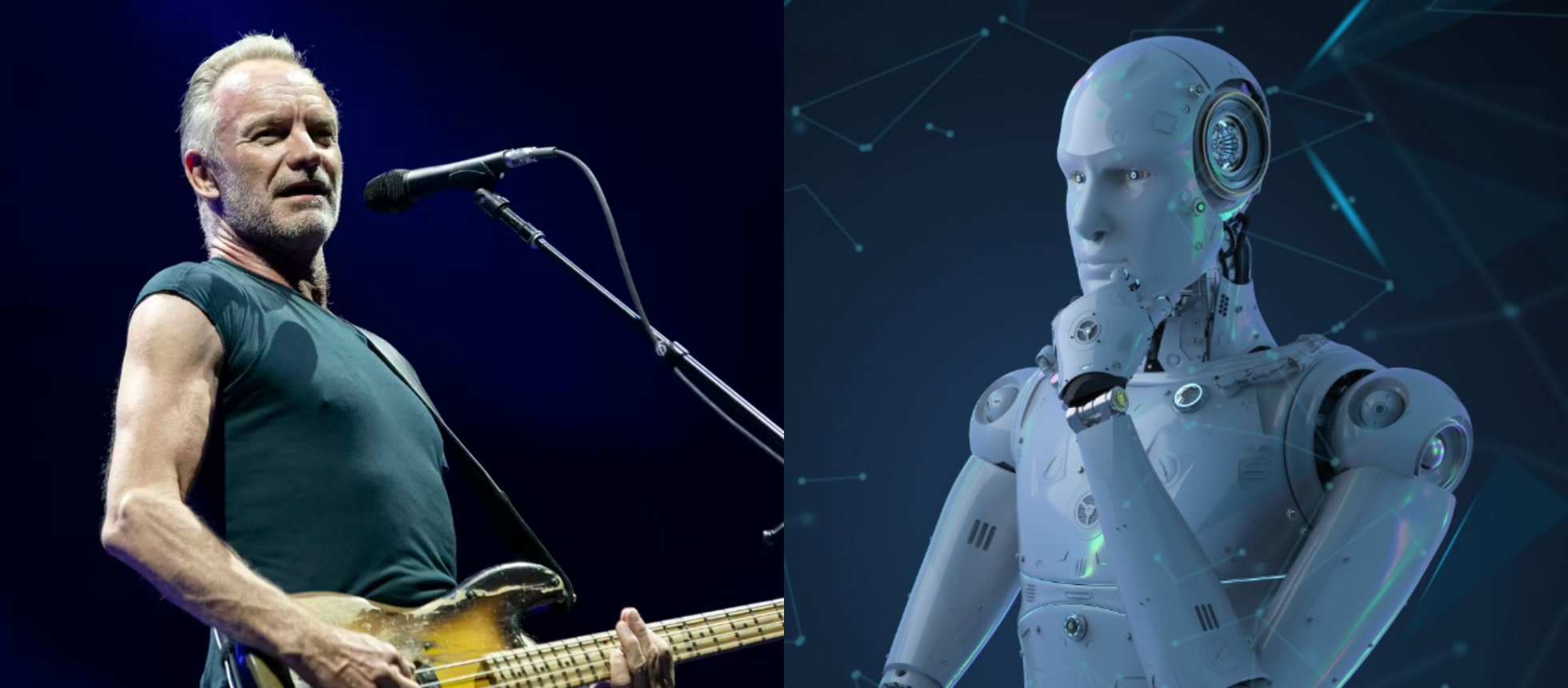
Sting recently appeared at a Tony Awards interview where he shared a warning that had little to do with entertainment and everything to do with artificial intelligence. The legendary musician stated that the technology’s rapid rise is something he takes seriously.
“I think all of us are under threat from AI and we need to take that threat seriously,” Sting said. “We need to keep our freedom. Our freedom of speech. Our freedom to think and to sing,” he added.
When asked directly whether he sees AI as a genuine concern, he did not hesitate. “Absolutely,” he said. “It’s a very, very alarming threat.”
Still, Sting tempered that warning with a degree of artistic confidence rather than outright panic.
“I’m a songwriter, and I’ve never heard of an AI song. I’ve never heard an AI machine that’s had its heart broken,” he said. “So I don’t really feel like I’m in competition, but who knows what’s down the line?”
His co-star Shaggy struck a more grounded note, pointing to the nature of live performance as something technology struggles to replicate. “In the theater world, it’s pretty hard to get that AI going,” he said, emphasizing that their Broadway presence relies on real-time human energy and audience connection.
That sentiment is increasingly reflected in broader cultural trends. As AI-generated material floods digital platforms at speed, live and human-made experiences appear to be gaining renewed value. Recent estimates suggest that AI is now involved in a significant share of online content production, from videos to articles to social media posts.
Some analyses have even suggested that AI-generated or AI-assisted material makes up a substantial portion of what users encounter online daily, with automated content creation evolving into a multimillion-dollar ecosystem driven by scale and engagement rather than authenticity.
Against that backdrop, Sting argued that audiences still crave imperfection. “Audiences like a bit of grit,” he said. “They don’t really like perfection. AI can give you a polished performance, a perfect image or whatever. But it’s not what people like. People like to see rough edges.”