
Free to use under the Unsplash License
A viral AI-generated wooden stick character named Tung Tung Tung Sahur has landed in federal court, and the lawsuit surrounding him could reshape how the law treats AI-generated content, with real implications for Roblox, Fortnite, and anyone creating art with artificial intelligence.
The character first appeared in early 2025, created by an Indonesian TikTok creator known as Noxa. Tung Tung Tung Sahur is rooted in a real Indonesian Ramadan tradition involving a kentongan, a wooden slit drum used to wake people up before Sahur, the pre-dawn meal before fasting.
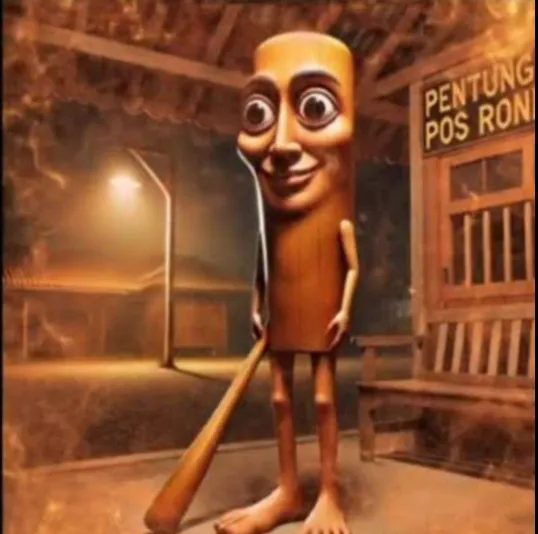
The internet transformed that cultural reference into a glowing-eyed wooden figure carrying a baseball bat, and it spread across TikTok, YouTube, Roblox, Fortnite, and nearly every corner of the internet where young audiences gather.
The legal dispute centers on a Roblox game called “Steal a Brainrot,” developed by Spider Games and Speedy Simulator Gaming. The game reportedly generates $10 to $11 million in real-world revenue per month. Players collect brainrot characters, earn in-game currency from them, and take them from other players.
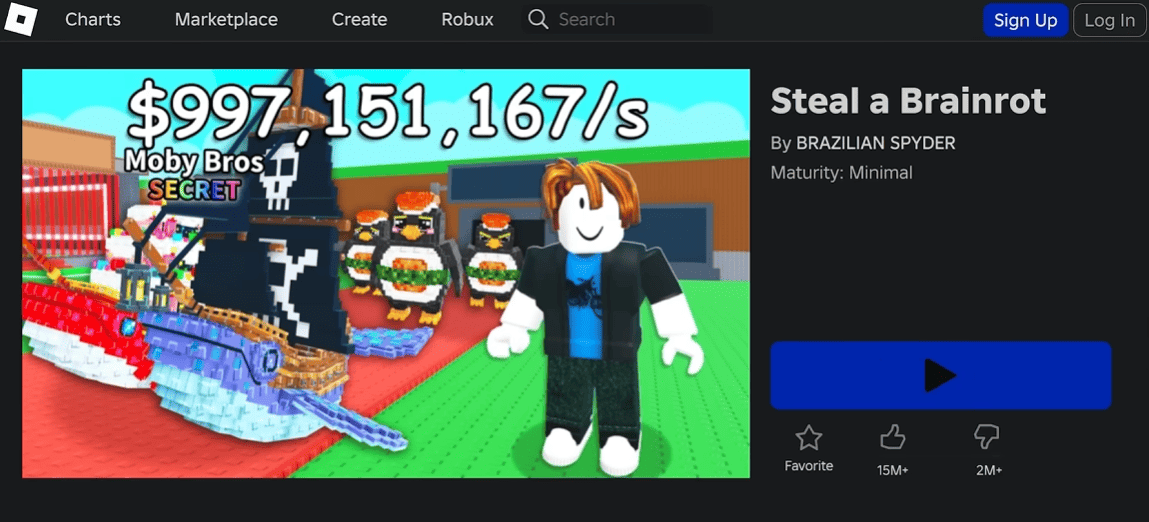
Tung Tung Tung Sahur became one of the featured characters, which is where the legal trouble began.
A French company called Momentum Lab, claiming to represent Noxa and manage the commercial rights to the character, sent the developers a cease and desist letter in September 2025. The developers removed the character while both sides attempted to reach a licensing agreement. When negotiations fell apart, the character returned to the game. Rather than waiting to be taken to court, the developers filed a lawsuit asking a federal judge to declare that Momentum does not hold a valid US copyright over Tung Tung Tung Sahur or several other brainrot characters.
The core legal question is whether AI-generated content can be copyrighted at all. Under current US law, copyright protects original works of human authorship, which creates a direct challenge when a computer generates the work. The developers argue that because the character was AI-generated, no valid copyright exists.
Momentum counters that Noxa did not simply type a prompt and walk away. According to their filings, he developed the character through an involved creative process, working on the name, backstory, voice, music, videos, and the overall identity of Tung Tung Tung Sahur.
Momentum is also pursuing a trademark argument. Where copyright protects the creative work itself, trademark protects branding and the associations consumers make with a product’s source. Momentum says they have already licensed the character for games, toys, books, consumer products, and even Fortnite. The developers argue that Tung Tung Tung Sahur is a fictional character rather than a brand, and that trademark law is being used to claim control over what is really a copyright matter.
No ruling has been issued yet. But the outcome will likely set the standard for how courts handle AI-generated intellectual property disputes going forward, making this one of the more consequential cases to come out of the internet’s brainrot era.


