
Free to use under the Unsplash License
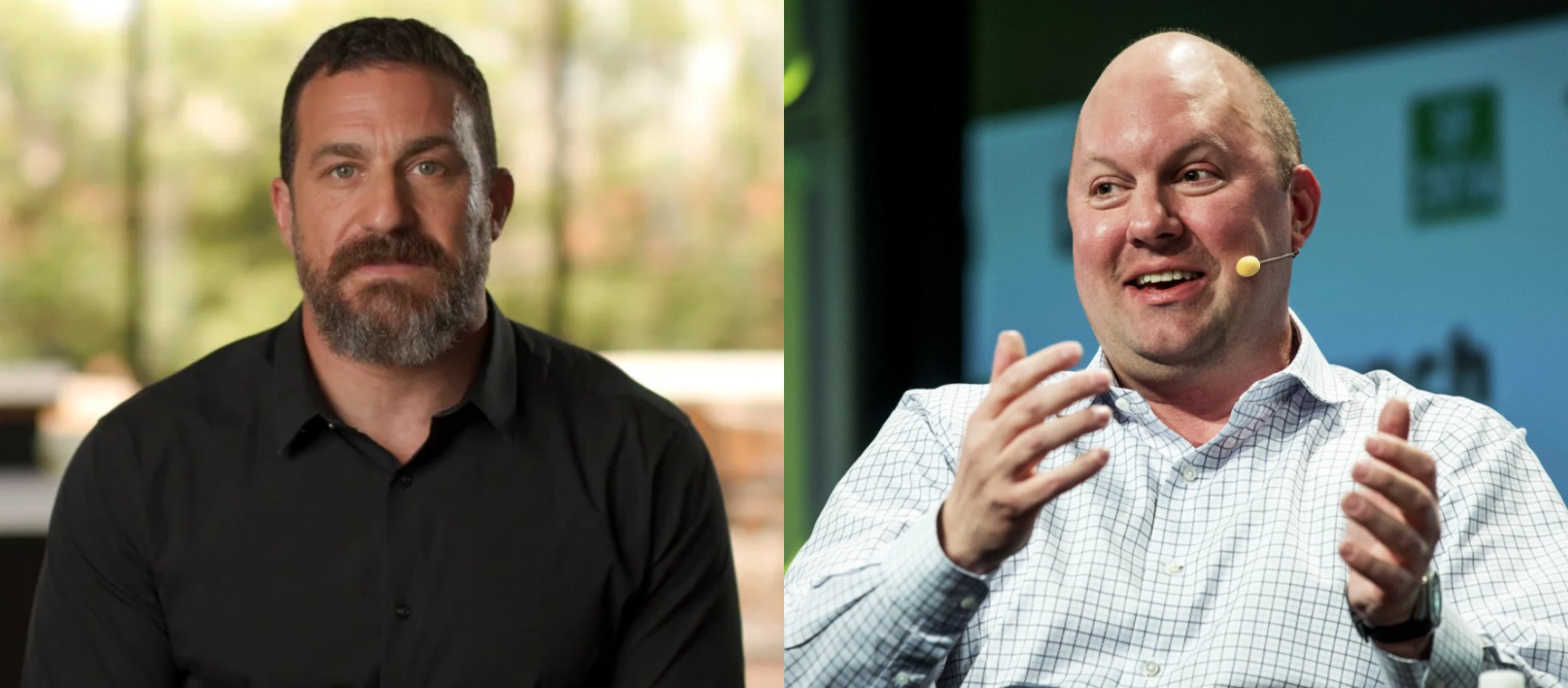
During Chris Williamson’s recent podcast episode featuring neuroscientist Andrew Huberman, comedian Tom Segura, and comedian Matt McCusker, venture capitalist Marc Andreessen became a major topic of discussion when the group turned to the online trend known as “r*tardmaxxing.”
Huberman introduced Andreessen while explaining the origins of the trend.
“There’s looksmaxxing, then there’s a guy who does what’s called r*tardmaxxing, which was popularized by of all people Marc Andreessen, who’s easily one of the smartest people I’ve ever met,” Huberman said.
He then referenced comments Andreessen had made publicly, while making it clear he was quoting rather than endorsing the exact phrasing himself.
“Marc Andreessen said, these are not my words, ‘Great men of history did not sit around thinking about their thoughts and introspecting. Introspection is not what we need to be doing. We need more action, less introspection,’” Huberman explained.
Huberman connected Andreessen’s perspective to comments UFC CEO Dana White had made around the same time.
White, according to Huberman, “is not a fan of people, men, talking about their emotional challenges publicly. Get up, go to war, make money for your family.”
The remarks from both Andreessen and White triggered significant backlash online, particularly on social media, and Huberman directly addressed the criticism during the discussion.
“The Mark Andreessen thing mobilized big discussion online on X in particular,” Huberman said. “One sort of angle of attack was, ‘Oh, here’s a billionaire who doesn’t like introspection.’”
Huberman then defended Andreessen personally, insisting the public perception did not match the person he knows privately.
“And I know Mark very well,” he said. “He’s not a sociopath. He’s a very, very kind person. I know his family. He’s an incredible human being at many levels. I’m going to catch a lot of s**t for saying that, but that’s the truth. If you actually know him.”
According to Huberman, Andreessen had also publicly supported the broader r*tardmaxing mindset, particularly figures who encourage people to stop overthinking and focus on action.
Huberman described that message as advising people to “just handle your business. Do what you need to do and stop thinking about things so much. Don’t ruminate so much.”
The neuroscientist also expanded on what he said is Andreessen’s larger philosophy regarding highly successful people and leadership traits.
“Mark Andreessen said people who’ve tended to accomplish a lot of great things often times have some pretty rough edges,” Huberman said.
He continued by explaining Andreessen’s belief that difficult personality traits are often tied to high achievement.
“Mark’s whole thing is those things go hand in hand,” Huberman added. “Great CEOs often times have some strong disagreeableness. They rate highly on disagreeableness. They’re conscientious, but they also are kind of high-friction people.”
Even while defending Andreessen, Huberman acknowledged that the messaging surrounding the discussion did not necessarily resonate well with the public.
He admitted the comments “came across as a little bit dismissive of the idea that emotions are relevant.”
Still, Huberman said he believes there is a middle ground between excessive introspection and avoiding emotional reflection altogether.
“I think we need to balance out some of what we’ve been hearing a lot of over the last few years, which is that we need to think about every aspect of self,” he said. “Too much therapy is not good.”


