
Free to use under the Unsplash License
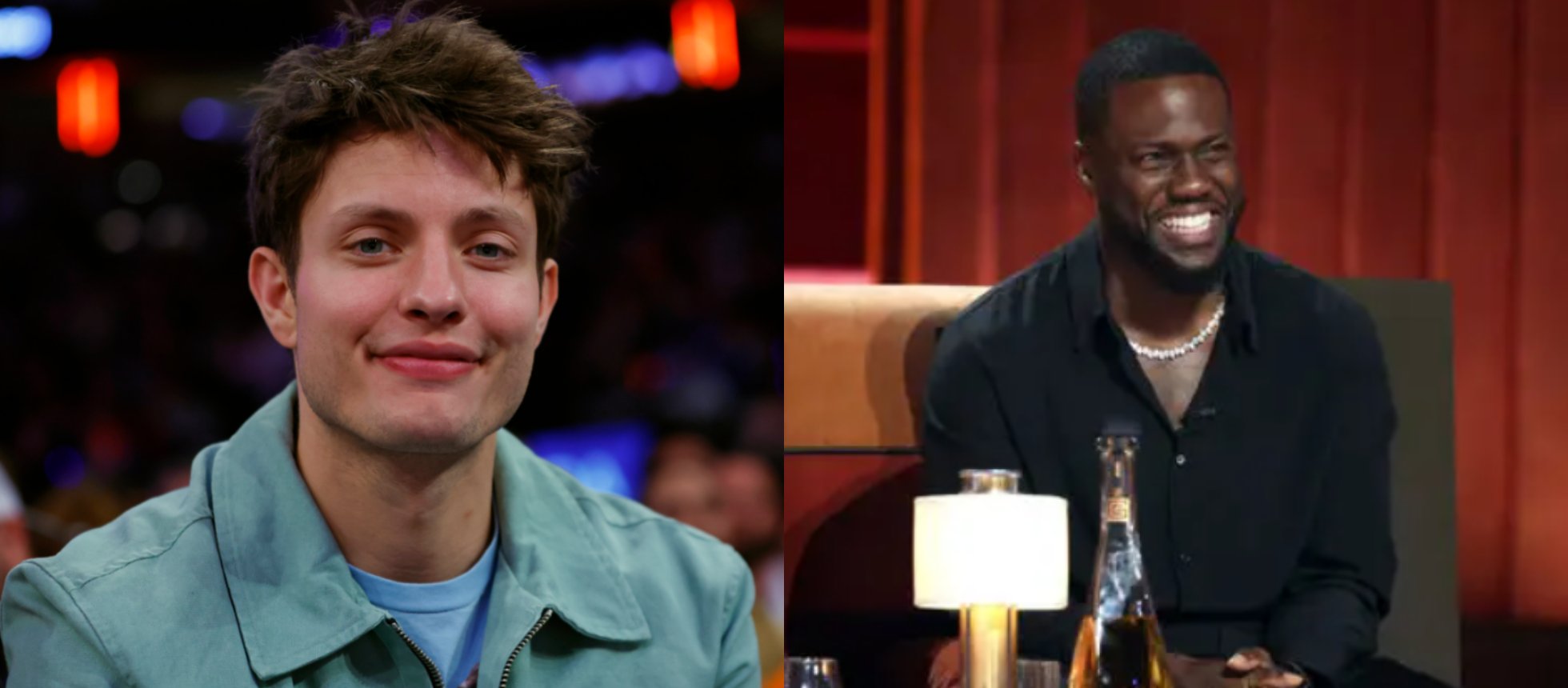
Comedian Matt Rife recently weighed in on the backlash surrounding Netflix’s controversial Kevin Hart roast special in an interview, making it clear he believes roast comedy is supposed to cross lines and make audiences uncomfortable.
“Shut up,” he said flatly when an interviewer started asking whether a roast should have limits. “Then don’t watch it.”
Rife admitted he had not watched the full special, but the clips circulating across social media were enough to form an opinion. “My feed is obviously filled with clips from it, and I think everybody on there crushed it, dude,” he said. “It was bru tal, but as a roast should be.”
His dismissal of the backlash was direct and without apology. For Rife, the format itself carries a built-in understanding that no one on stage is off-limits. “It’s a roast,” he said. “Everybody there is going to be made fun of. It’s supposed to push the boundaries of all forms of comedy for a roast. It’s supposed to be mean-spirited, but you don’t actually mean it. Everybody there loves each other.”
The criticism Rife was responding to largely centered on material from Tony Hinchcliffe, whose joke referencing George Floyd drew significant backlash.
Kevin Hart, the man in the roast chair, had already anticipated this type of reaction. Before the special aired, he sat down with Shaquille O’Neal on The Big Podcast and laid out his philosophy on the format.
“I got very PC and brand specific and corporate and, you know, smarter as the years went on for business,” Hart told Shaq.
But he made clear that none of that changed the core of who he is as a performer. On the question of whether certain topics should be avoided during a roast, Hart was unambiguous.
“When you’re in the mindset of like jokes are jokes, and the intent behind the jokes is to get a laugh, nothing’s personal,” he said. He also pushed back on the idea that edgy material comes from a place of malice. “Nothing’s coming from an aggressive… hat e or space of hate,” he explained. “Your attempt is to get a laugh.”
Hart acknowledged that not every joke lands, but said that uncertainty is part of the process. “Is it a good attempt? We’ll see. Maybe they receive it, maybe they don’t,” he said. For him, the motivation never wavers. “My want is laughter. That’s my reason for saying all things that are being said.”
As for agreeing to take the roast chair himself, Hart cited the strategic appeal of speaking last. “I only said I’ll do it because of the pressure,” he said. “Knowing that when I get it last, you better be prepared to get hit.”
He relished the idea of letting others take their best attempts before reclaiming the microphone. “I love the fact that as a comedian, I’m going to sit in that seat,” he said. “I get to have friends, foes, whomever come up and give their best versions of an attack. And at the end I get the microphone last.”
Sheryl Underwood offered a different but compatible perspective on the same podcast. The veteran comedian appeared alongside Shane Gillis and explained that her willingness to participate in the roast came down to one thing: whether the production was willing to have an honest conversation with her beforehand.
“If they had not come with respect and said, ‘These are the topics,’ I wouldn’t have agreed,” she said. “Feeling safe, feeling like I’m not being attacked, so I don’t have to be defensive. I don’t have to be thin-skinned.”
On the Hinchcliffe controversy specifically, Underwood offered measured words. “The Floyd family should be upset. There should be a crew of people that are mad because that’s the reaction you have. You’re not thinking about freedom of speech, you’re thinking about your brother who was m**dered.”


