
Free to use under the Unsplash License
There was a time when Joe Rogan was the guy asking the questions nobody else would ask. The outsider. The independent voice who built a platform on the promise that no topic was off limits and no guest would get a free pass. That version of Rogan feels like a long time ago.
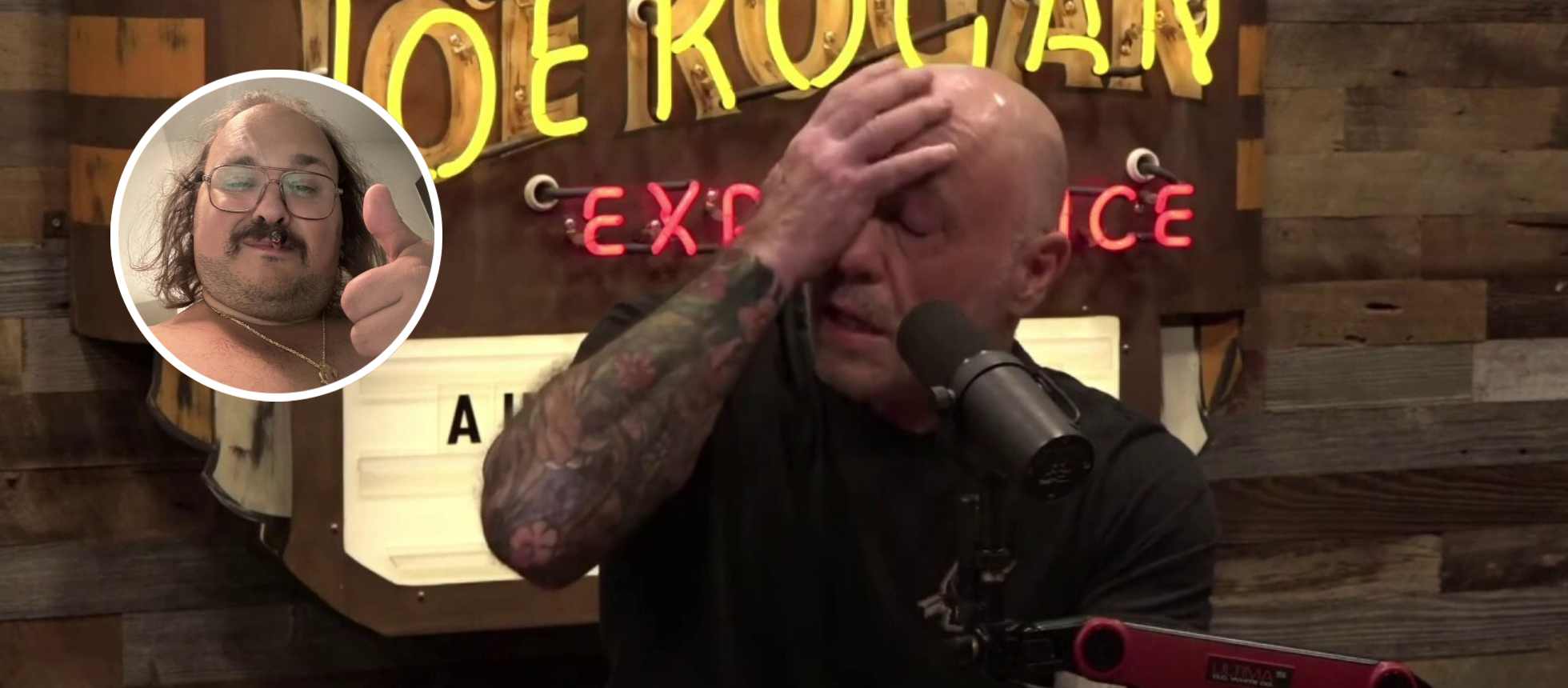
Stavros Halkias, known to fans as Stavvy, has quietly become one of the most interesting figures in comedy precisely because he refuses to play the game that everyone around him is playing. He has access to the Austin ecosystem, he knows the players, and he could walk into the Mothership any time he wanted. Instead, he keeps calling the whole thing out.
On a recent episode of Stavvy’s World, he had Ari Shaffir on, one of Rogan’s oldest friends, who had just returned from eight months of backpacking through Latin America, completely off the grid. When Ari caught up on what he had missed, the two started talking about the media circus, and Stavvy said something you would never hear on JRE.
He said, “They want you isolated so you don’t realize it’s literally the ruling class that is screwing your life over and not trans teenagers and Mexican people.”
That quote lands differently when you put it next to what Rogan has actually been saying on his own show. Rogan recently sat across from venture capitalist Marc Andreessen and defended hedge fund billionaire Kenneth Griffin as a generous philanthropist and job creator, with Andreessen cheerfully noting that the top one percent of taxpayers are responsible for roughly fifty percent of tax revenue, as though that were an argument in their favor.
Rogan has also told listeners that renting is the new American dream, that becoming a billionaire is simply a matter of working twenty hours a day, and that anyone pushing back on wealth concentration is peddling a narrative cooked up by democratic socialists. As the video’s narrator puts it, these are forty-year-old talking points from an era that already failed.
The real irony is that Stavvy’s critique of the ruling class is, whether intentionally or not, a direct description of where Rogan now sits. Rogan did not just stop asking difficult questions. He crossed from defending the powerful to becoming one of them. He endorsed a presidential candidate in 2024 and now operates as something closer to a political institution than a podcast.
Stavvy and Ari also touched on how conspiracy theorists used to be the fun friend at the bar, the guy who would tell you about chemtrails over a beer and you would laugh and move on. Their point was that podcasting accidentally handed those voices real power.
What neither fully said out loud is that the clearest example of that exact phenomenon is Rogan himself, a self-described comedian asking questions who now has a direct line to political power and uses it to rehabilitate billionaires in front of millions of listeners.
The Austin comedy scene spent years positioning itself as the last line of defense against a corrupt establishment. The uncomfortable truth is that it has become the thing it claimed to oppose.


