
Free to use under the Unsplash License
A promising AI shopping startup co-founded by Phoebe Gates, the 23-year-old daughter of Bill Gates, is now facing serious allegations of deceptive behavior after an investigation suggested the company may have claimed credit for online sales it never actually influenced.
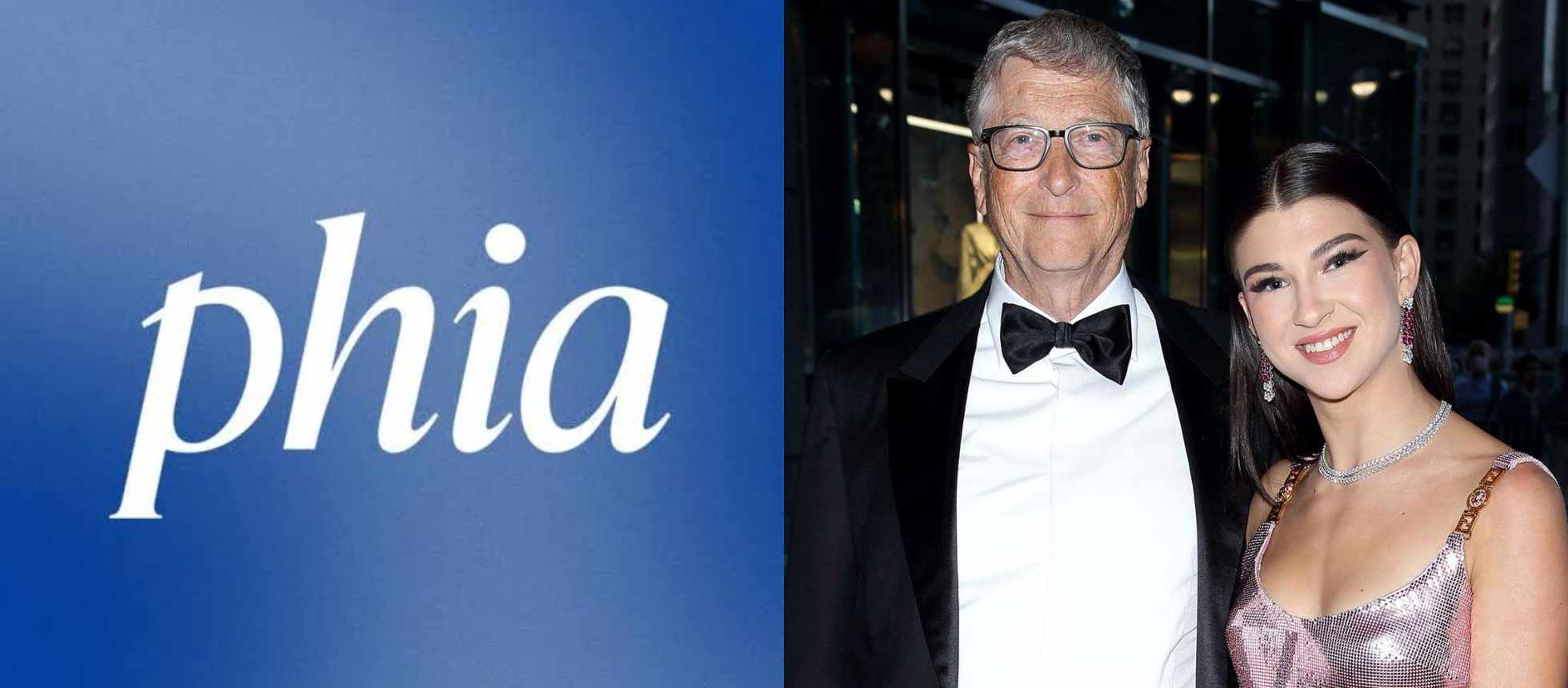
Phoebe Gates launched the browser extension Phia alongside her Stanford roommate Sophia Kianni. The app promises to make shopping easier by automatically hunting for lower prices, applying coupon codes at checkout, and rewarding users with points redeemable for gift cards.
The company raised more than $40 million from venture capital firms and celebrity investors including Hailey Bieber and Kim Kardashian, and the app has been downl0aded more than a million times.
But a Bloomberg investigation, backed by independent affiliate marketing researcher Ben Edelman and competing browser extension maker Capital One Shopping, accused Phia of a practice known as cookie stuffing. The allegations center on how affiliate marketing works.
When a publisher, such as a review website or content creator, convinces a reader to purchase a product through their link, they earn a small commission from the retailer. Cookie stuffing occurs when a third party inserts its own affiliate tracking code into a transaction it played no role in driving, effectively redirecting that commission away from whoever actually earned it.
According to Bloomberg’s testing across more than 50 retailers, Phia’s browser extension could open a background tab during checkout and insert its own affiliate tracking code, even when the user had discovered and selected the product entirely on their own. The shopper’s experience remained unchanged, but the affiliate commission would allegedly be redirected to Phia rather than to the publisher or creator who had originally influenced the purchase.
Edelman published a detailed report of his findings and identified a specific feature inside the extension called “enable coupon autodrop.” He says the feature first appeared in a version released in December 2025 and remained active for months. He also argues the behavior was controlled server-side, meaning it could be toggled depending on factors like the user’s device.
Phia told Bloomberg that a recent software release caused the issue and that the company worked overnight to resolve it. Edelman, however, disputes this characterization, arguing the evidence points to something far more deliberate given that the feature was intentionally named and implemented.
Affiliate marketing platform Impact.com responded by suspending Phia’s account, citing violations of its policies.
This is not the first time the extension has raised concerns. Late last year, Fortune reported that earlier versions of Phia were collecting significantly more browsing data than users would reasonably expect, including copies of pages that could contain sensitive information such as emails and bank account details. The company said the data was used to identify shopping sites and improve the product, but researchers noted the practice was not reflected in Phia’s privacy policy at the time.
Phia’s current privacy policy states that it automatically collects information about browsing habits, including pages visited and links selected, and that it can make assumptions about users based on collected data.


